រំលងទៅមាតិកា


ប្រទេសប៉េរូមិនមែនជាប្រទេសដំបូងគេដែលចាប់អារម្មណ៍នៅពេលដែលម៉ាកអន្តរជាតិគិតអំពីការផលិតគ្រឿងសម្អាងនោះទេ។. នោះគឺជា, នៅក្នុងវិធីជាច្រើន។, ផ្នែកនៃឱកាស.
សម្រាប់ម៉ាកដែលកំពុងប្រតិបត្តិការរួចហើយនៅអាមេរិកឡាទីន — ឬសម្រាប់អ្នកទិញដែលស្វែងរកការចែកចាយក្នុងតំបន់ — ប្រទេសប៉េរូផ្តល់នូវមូលដ្ឋានផលិតកម្មក្នុងស្រុកតូចមួយប៉ុន្តែសកម្ម។, រចនាសម្ព័ន្ធចំណាយដែលស្ថិតនៅក្រោមជម្រើសលោកខាងលិចជាច្រើន។, និងអ្នកផ្គត់ផ្គង់ដែលស្គាល់ដោយផ្ទាល់ជាមួយ Andean និងចំណង់ចំណូលចិត្តទីផ្សារអាមេរិកខាងត្បូងដ៏ទូលំទូលាយ. បញ្ហាប្រឈមគឺអាងផ្គត់ផ្គង់តូចចង្អៀត, ព័ត៌មានសាធារណៈអំពីរោងចក្រមានកំណត់, ហើយក្រុមហ៊ុនផលិតដែលបានបង្កើតឡើងភាគច្រើនបម្រើទីផ្សារក្នុងស្រុកជាមុនសិន.
ការណែនាំនេះត្រូវបានរចនាឡើងសម្រាប់អ្នកទិញ B2B ដែលវាយតម្លៃក្រុមហ៊ុនផលិតគ្រឿងសម្អាងនៅក្នុងប្រទេសប៉េរូ, ថាតើប្រភពក្នុងស្រុក ឬប្រៀបធៀបប្រទេសប៉េរូជាមួយនឹងជម្រើសក្នុងតំបន់ និងក្រៅប្រទេសផ្សេងទៀត។.

ឧស្សាហកម្មផលិតគ្រឿងសំអាងនៅប្រទេសប៉េរូ
វិស័យគ្រឿងសំអាង និងការថែទាំផ្ទាល់ខ្លួនរបស់ប្រទេសប៉េរូបានកើនឡើងជាលំដាប់ក្នុងរយៈពេលមួយទសវត្សរ៍កន្លងមកនេះ។, ជំរុញភាគច្រើនដោយការពង្រីកការប្រើប្រាស់វណ្ណៈកណ្តាល និងការបង្កើនការយល់ដឹងអំពីប្រភេទផលិតផលថែរក្សាស្បែក.
ការផលិត, ទោះយ៉ាងណាក៏ដោយ, នៅតែប្រមូលផ្តុំ. ក្រុមហ៊ុនដែលបានបង្កើតឡើងមួយចំនួនតូចគ្រប់គ្រងផលិតកម្មក្នុងស្រុក, ហើយរោងចក្រភាគច្រើនផ្តោតលើការបម្រើការលក់រាយក្នុងស្រុក, ឱសថស្ថាន, និងការចែកចាយហាងជាជាងការងារ OEM តម្រង់ទិសនាំចេញ. ប្រទេសនេះមិនមានមាត្រដ្ឋានប្រទេសប្រេស៊ីល ឬម៉ិកស៊ិកទេ។, ឬប្រព័ន្ធអេកូ OEM របស់កូរ៉េ ឬចិន.
នោះបាននិយាយថា, សមត្ថភាពផលិតក្នុងស្រុកមាននៅទូទាំងការថែទាំស្បែក, ការថែរក្សារាងកាយ, ការថែរក្សាសក់, និងប្រភេទការថែទាំផ្ទាល់ខ្លួន. ប្រទេសប៉េរូក៏មានសិទ្ធិប្រើប្រាស់គ្រឿងផ្សំរុក្ខសាស្ត្រ Andean — រួមទាំងសារធាតុចម្រាញ់ពីរុក្ខជាតិដែលភ្ជាប់ទៅនឹងជីវចម្រុះក្នុងតំបន់ — ដែលជួនកាលបង្កើតភាពពាក់ព័ន្ធសម្រាប់ម៉ាកយីហោដែលកំណត់ទីតាំងជុំវិញគំនិតធម្មជាតិ ឬស្អាត។.
ការអនុលោមភាពនៅក្នុងប្រទេសប៉េរូត្រូវបានគ្រប់គ្រងដោយអាជ្ញាធរសុខភាពជាតិ និងតម្រឹមយ៉ាងទូលំទូលាយជាមួយ ក្របខ័ណ្ឌបទប្បញ្ញត្តិគ្រឿងសំអាងសហគមន៍ Andean, ដែលបង្កើតកម្រិតនៃភាពស៊ីសង្វាក់គ្នានៃបទប្បញ្ញត្តិនៅទូទាំងប្រទេសបូលីវី, កូឡុំប៊ី, អេក្វាឌ័រ, និងប្រទេសប៉េរូ. ម៉ាកយីហោដែលគ្រោងនឹងចែកចាយទូទាំងសហគមន៍ Andean គួរតែគិតគូរអំពីបរិយាកាសបទប្បញ្ញត្តិរួមគ្នានេះ នៅពេលវាយតម្លៃក្រុមហ៊ុនផលិត.
គុណសម្បត្តិ និងដែនកំណត់នៃការផលិតនៅប្រទេសប៉េរូ
ការយល់ដឹងអំពីកន្លែងដែលប្រទេសប៉េរូសមនឹងពាណិជ្ជកម្មគឺមានប្រយោជន៍ជាងការចាត់ទុកវាជាជម្រើសប្រភពទូទៅ.
អត្ថប្រយោជន៍ជាក់ស្តែងរួមមាន:
- តម្លៃផលិតកម្មទាបជាងធៀបនឹងអឺរ៉ុប និងអាមេរិកខាងជើង
- ការស្គាល់អ្នកផ្គត់ផ្គង់ជាមួយចំណូលចិត្តអ្នកប្រើប្រាស់ក្នុងតំបន់
- ភាពពាក់ព័ន្ធសម្រាប់ម៉ាកដែលផ្តោតលើប្រទេសប៉េរូ, បូលីវី, អេក្វាឌ័រ, និងទីផ្សារ Andean កាន់តែទូលំទូលាយ
- លទ្ធភាពទទួលបានធាតុផ្សំរុក្ខសាស្ត្រមួយចំនួនដែលភ្ជាប់ទៅនឹងជីវចម្រុះនៅអាមេរិកខាងត្បូង
Realistic limitations buyers should acknowledge:
- the supplier pool is significantly smaller than Brazil, ម៉ិកស៊ិក, or Asian markets
- export-oriented OEM infrastructure is less developed than in more established manufacturing countries
- documentation and export support varies significantly by supplier
- international brands may find communication and onboarding slower than in factories with a clear export-first orientation
Peru is more useful as a regional market sourcing strategy than as a global OEM base. Brands entering South American markets — or distributing through regional channels — are better placed to extract value from local manufacturing than brands operating from a purely cost-driven or prestige-driven export logic.

Cosmetics Manufacturers in Peru: Supplier Profiles
ក្រុមហ៊ុនខាងក្រោមតំណាងឱ្យក្រុមហ៊ុនផលិតគ្រឿងសម្អាង និងការថែទាំផ្ទាល់ខ្លួនដែលអាចមើលឃើញច្រើនបំផុតដែលកំពុងប្រតិបត្តិការនៅក្នុងប្រទេសប៉េរូ. កំណត់ទំហំទីផ្សារក្នុងស្រុក, អ្នកទិញគួរតែធ្វើវិសាលភាពដោយផ្ទាល់ជាមួយអ្នកផ្គត់ផ្គង់នីមួយៗ ដើម្បីបញ្ជាក់វិសាលភាពសេវាកម្មបច្ចុប្បន្ន, ប្រភេទផលិតផល, និងភាពអាចរកបាន OEM.
មន្ទីរពិសោធន៍ La Cooper
ហេតុអ្វីបានជាម៉ាកពិចារណាក្រុមហ៊ុនផលិតនេះ។
Laboratorios La Cooper គឺជាប្រតិបត្តិការផលិតឱសថ និងគ្រឿងសម្អាងដ៏យូរអង្វែងមួយរបស់ប៉េរូ. ក្រុមហ៊ុននេះផលិតតាមប្រភេទការថែទាំផ្ទាល់ខ្លួន និងគ្រឿងសំអាង ហើយបានបង្កើតការចែកចាយតាមរយៈឱសថស្ថានក្នុងស្រុក និងបណ្តាញលក់រាយ.
វិសាលភាពផលិតផលធម្មតា។
ការថែរក្សាស្បែក, ការថែរក្សារាងកាយ, អ្នកសម្អាត, និងផលិតផលថែរក្សាផ្ទាល់ខ្លួនដែលបានជ្រើសរើស. សាវតាឱសថរបស់ក្រុមហ៊ុនក៏អាចពាក់ព័ន្ធសម្រាប់ម៉ាកដែលបង្កើតផលិតផលដែលមានទីតាំងព្យាបាល ឬទម្រង់ស្បែកដែលងាយប្រតិកម្ម.
លក្ខណៈផលិតកម្ម
រោងចក្រនេះមានទិសដៅឆ្ពោះទៅរកផលិតកម្មទីផ្សារក្នុងស្រុក ជាមួយនឹងដំណើរការប្រកបដោយគុណភាពដែលបានបង្កើតឡើង. មរតកឱសថរបស់វាណែនាំ ប្រព័ន្ធផលិតកម្មដែលមានរចនាសម្ព័ន្ធ និងស្គាល់តម្រូវការឯកសារ.
សមល្អបំផុតសម្រាប់
ម៉ាកដែលកំណត់គោលដៅទីផ្សារក្នុងស្រុករបស់ប៉េរូ, គំនិតនៃឱសថស្ថាន-ឆានែលសម្រស់, ឬអ្នកទិញដែលឱ្យតម្លៃលើវិន័យផលិតកម្មលើភាពបត់បែនតាមនិន្នាការ.
តិចសមរម្យសម្រាប់
ម៉ាកត្រូវការការប្ដូរតាមបំណង OEM រហ័ស, ភាពបត់បែន MOQ ឈ្លានពាន, ឬការនាំចេញ - ទិសដៅផលិតកម្មដំបូង.

Cordi SAC
ហេតុអ្វីបានជាម៉ាកពិចារណាក្រុមហ៊ុនផលិតនេះ។
Cordi SAC ប្រតិបត្តិការជាក្រុមហ៊ុនផលិតគ្រឿងសំអាង និងការថែទាំផ្ទាល់ខ្លួននៅក្នុងទីផ្សារក្នុងស្រុករបស់ប្រទេសប៉េរូ. ក្រុមហ៊ុនមានភាពមើលឃើញនៅទូទាំងប្រភេទការថែទាំស្បែក និងការថែទាំផ្ទាល់ខ្លួន ហើយជារឿយៗត្រូវបានផ្សារភ្ជាប់ជាមួយនឹងផ្នែកផលិតផលទីផ្សារដ៏ធំ.
វិសាលភាពផលិតផលធម្មតា។
ការថែរក្សារាងកាយ, ការថែរក្សាសក់, ការថែរក្សាស្បែក, និងការថែទាំផ្ទាល់ខ្លួនទូទៅ. ក្រុមហ៊ុនបម្រើការលក់រាយ និងប្រភេទអ្នកប្រើប្រាស់ជាមួយនឹងគំរូផលិតកម្មដែលផ្តោតលើក្នុងស្រុក.
លក្ខណៈផលិតកម្ម
ផលិតកម្មបង្ហាញពីទិសដៅទៅរក ផលិតកម្មបណ្តុំស្របគ្នា។ សម្រាប់ការលក់រាយ និងចែកចាយក្នុងស្រុក, ជាមួយនឹងភាពមើលឃើញច្បាស់តិចទៅក្នុងទម្រង់ផ្ទាល់ខ្លួន ឬសមត្ថភាពនាំចេញឯកសារ.
សមល្អបំផុតសម្រាប់
អ្នកទិញតាមតំបន់, អ្នកចែកចាយ, ឬម៉ាកដែលចង់បានផលិតផលថែរក្សាផ្ទាល់ខ្លួនដែលមានទីផ្សារធំសម្រាប់ចែកចាយក្នុងស្រុក.
តិចសមរម្យសម្រាប់
ទីតាំងពិសេស, ការអភិវឌ្ឍ dermocosmetic, ឬគម្រោងបង្កើតស្លាកឯកជនតាមតម្រូវការខ្ពស់។.
Gilsan Laboratories S.A.C.
ហេតុអ្វីបានជាម៉ាកពិចារណាក្រុមហ៊ុនផលិតនេះ។
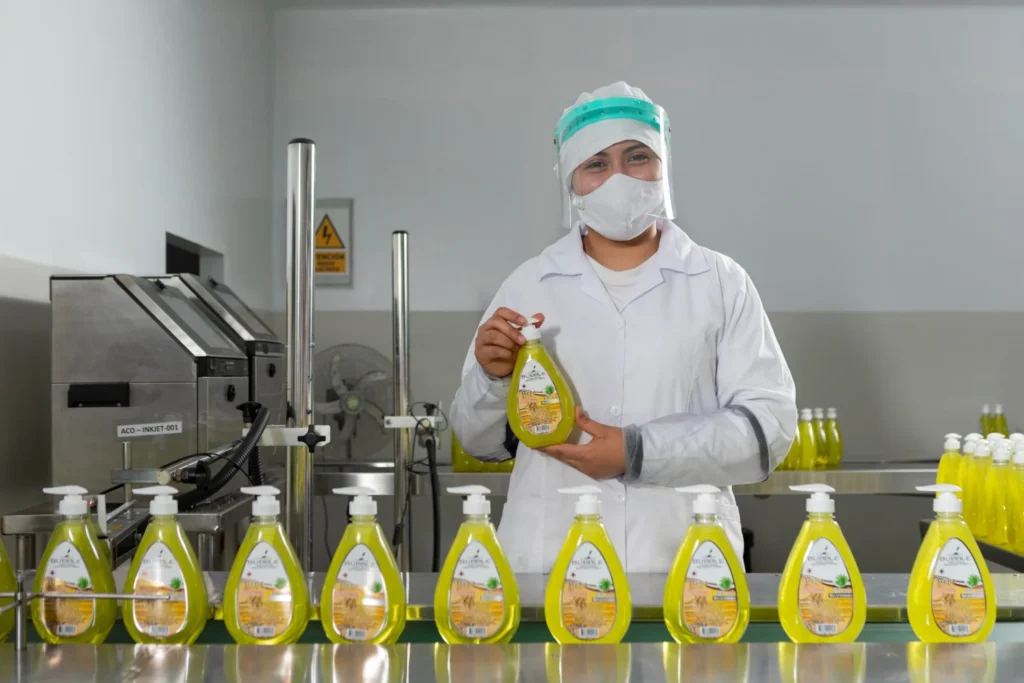
Gilsan ប្រតិបត្តិការជាក្រុមហ៊ុនផលិតគ្រឿងសម្អាងដោយផ្តោតលើការអភិវឌ្ឍន៍ផលិតផលគ្រឿងសំអាង និងការថែទាំផ្ទាល់ខ្លួន. ក្រុមហ៊ុនមានភាពពាក់ព័ន្ធក្នុងស្រុកនៅទូទាំងផ្នែកថែរក្សាស្បែក និងការថែរក្សាសក់, ហើយទីតាំងរបស់វាបង្ហាញពីការបើកចំហខ្លះចំពោះការងារផលិតកម្មដែលតម្រង់ទិស B2B.
វិសាលភាពផលិតផលធម្មតា។
ការថែរក្សាស្បែក, ការថែរក្សាសក់, និងផលិតផលថែរក្សាផ្ទាល់ខ្លួន. Some production may extend into broader body care categories depending on formulation scope.
លក្ខណៈផលិតកម្ម
Gilsan appears to operate with a product development orientation, suggesting potential for formulation customization at the domestic level. Buyers should confirm export readiness and documentation capability directly.
សមល្អបំផុតសម្រាប់
Brands exploring regional product development partnerships, particularly for skincare or hair care, with local distribution in mind.
តិចសមរម្យសម្រាប់
Large-scale export programs or brands that require established international OEM infrastructure.

Beautycorp Cosmetics
ហេតុអ្វីបានជាម៉ាកពិចារណាក្រុមហ៊ុនផលិតនេះ។
Beautycorp operates with a more explicitly B2B and private label orientation than some Peruvian competitors, making it potentially more accessible for brands seeking cosmetics manufacturing services rather than finished consumer goods.
វិសាលភាពផលិតផលធម្មតា។
Skincare and personal care formulations, ជាមួយនឹងភាពពាក់ព័ន្ធសម្រាប់ម៉ាកដែលស្វែងរកការអភិវឌ្ឍន៍ស្លាកឯកជននៅក្នុងទីផ្សារប៉េរូ.
លក្ខណៈផលិតកម្ម
ទីតាំង B2B របស់ក្រុមហ៊ុនណែនាំ កម្រិតខ្លះនៃការគាំទ្រការប្ដូរតាមបំណង និងការយល់ដឹងអំពីតម្រូវការរបស់អ្នកទិញស្លាកឯកជន. ឯកសារ និងការគាំទ្រការនាំចេញគួរតែត្រូវបានបញ្ជាក់ដោយផ្អែកលើគម្រោង.
សមល្អបំផុតសម្រាប់
ម៉ាកដែលចាប់អារម្មណ៍លើការអភិវឌ្ឍន៍ស្លាកឯកជនក្នុងតំបន់, ជាពិសេសក្រុមហ៊ុនចាប់ផ្តើមអាជីវកម្ម ឬម៉ាកយីហោពាក់កណ្តាលទីផ្សារដែលចូលទីផ្សារអាមេរិកខាងត្បូង.
តិចសមរម្យសម្រាប់
កម្រិតសំឡេងខ្ពស់។, កម្មវិធីនាំចេញជាសកលយ៉ាងឆាប់រហ័ស.

ក្រុមហ៊ុន Belcorp
ហេតុអ្វីបានជាម៉ាកពិចារណាក្រុមហ៊ុនផលិតនេះ។
Belcorp គឺស្ថិតក្នុងចំណោមក្រុមហ៊ុនថែរក្សាសម្ផស្ស និងការថែទាំផ្ទាល់ខ្លួនដែលទទួលស្គាល់បំផុតនៅអាមេរិកឡាទីន, ជាមួយនឹងប្រតិបត្តិការនៅក្នុងប្រទេសប៉េរូ និងសមធម៌ម៉ាកក្នុងតំបន់ដ៏សំខាន់. ក្រុមហ៊ុននេះត្រូវបានគេស្គាល់ថាជាផ្ទះយីហោដែលលក់ដោយផ្ទាល់ជាជាងដៃគូ OEM សុទ្ធ, ប៉ុន្តែទំហំផលិតកម្ម និងសមត្ថភាពបង្កើតរបស់វា ខុសគ្នាពីអ្នកលេងក្នុងស្រុកតូចៗ.
វិសាលភាពផលិតផលធម្មតា។
ការថែរក្សាស្បែក, គ្រឿងសំអាងពណ៌, ក្លិនក្រអូប, និងការថែទាំផ្ទាល់ខ្លួន. Belcorp’s brand portfolio spans multiple product categories across premium and mass-market segments.
លក្ខណៈផលិតកម្ម
Belcorp operates at larger industrial scale than most other Peruvian manufacturers, with established formulation processes. ទោះយ៉ាងណាក៏ដោយ, buyers should note that its primary orientation is toward developing and distributing its own brand portfolio, not servicing third-party OEM contracts.
សមល្អបំផុតសម្រាប់
Regional distribution and brand partnerships. Less commonly an OEM or private label partner for external brands.
តិចសមរម្យសម្រាប់
Standard third-party OEM sourcing. Buyers seeking pure manufacturing services may find this not a primary fit.

Manufacturer Comparison at a Glance
| ក្រុមហ៊ុន | ការកំណត់ទីតាំង | Typical Strength | សមល្អបំផុត |
|---|---|---|---|
| មន្ទីរពិសោធន៍ La Cooper | Pharmaceutical-heritage cosmetics manufacturer | Structured production, pharmacy-channel positioning | Domestic market, clinical-style brands |
| Cordi SAC | Mass-market personal care producer | Batch consistency, domestic retail coverage | Regional distributors, mass-market brands |
| Gilsan Laboratories S.A.C. | Cosmetics and personal care developer | Formulation development, skincare focus | Regional product development projects |
| Beautycorp Cosmetics | B2B-oriented private label manufacturer | Private label awareness, customization potential | ការចាប់ផ្តើម, regional private label brands |
| ក្រុមហ៊ុន Belcorp | Large-scale regional beauty company | Industrial capacity, គ្របដណ្តប់ប្រភេទទូលំទូលាយ | Regional partnerships (primarily own brands) |
Alternative Option: Working With an Overseas OEM Manufacturer
For many brands evaluating Peru, the local supplier pool creates a practical limitation. Five manufacturers — several of which are primarily domestic-market-oriented — is a narrow selection for buyers with specific formulation, MOQ, ការប្ដូរតាមបំណង, or export-documentation needs.
In these cases, working with an overseas OEM / ODM partner may be a more practical path, particularly for brands that do not require a Peruvian “ផលិតក្នុងស្រុក” រឿង.
Guangzhou Xiran Cosmetics Co., អិលធីឌី. (គ្រឿងសម្អាង Xiran) គឺជាឧទាហរណ៍មួយនៃ OEM ដែលមានមូលដ្ឋាននៅប្រទេសចិន / ODM និងក្រុមហ៊ុនផលិតផលិតផលថែរក្សាស្បែកឯកជនដែលគាំទ្រអតិថិជន B2B នៅក្រៅប្រទេស. ក្រុមហ៊ុនធ្វើការលើប្រភេទផលិតផលជាច្រើន រួមទាំងការថែរក្សាស្បែកមុខផងដែរ។, ការថែរក្សារាងកាយ, ការថែរក្សាសក់, និងការថែទាំផ្ទាល់ខ្លួន, និងគាំទ្រដល់ការអភិវឌ្ឍន៍ផលិតផលតាមរយៈការបង្កើតផ្ទាល់ខ្លួន, ការសម្របសម្រួលការវេចខ្ចប់, និងឯកសារនាំចេញ.
សម្រាប់ម៉ាកដែលចូលទីផ្សារអាមេរិកខាងត្បូងតាមរយៈការនាំចូលដោយផ្ទាល់ - ជាជាងទាមទារការផលិតក្នុងស្រុកប៉េរូ - Xiran អាចផ្តល់នូវភាពបត់បែនប្រភេទទូលំទូលាយ។, គំរូសហប្រតិបត្តិការនាំចេញដែលមានរចនាសម្ព័ន្ធជាង, និងសមត្ថភាពធ្វើមាត្រដ្ឋានបានប្រសើរជាងការគាំទ្រទេសភាពអ្នកផ្គត់ផ្គង់ប៉េរូបច្ចុប្បន្ន.
ម៉ាកដែលត្រូវការផលិតកម្មទីផ្សារក្នុងស្រុកជាពិសេស, ទីតាំងបទប្បញ្ញត្តិក្នុងតំបន់, ឬអត្តសញ្ញាណដើមកំណើតប៉េរូគួរតែនៅតែផ្តោតលើអ្នកផ្គត់ផ្គង់ក្នុងស្រុក. ទោះយ៉ាងណាក៏ដោយ, សម្រាប់ម៉ាកដែលប្រភពដើមនៃការផលិតមិនសូវសំខាន់ក្នុងយុទ្ធសាស្ត្រ, ដៃគូក្រៅប្រទេសដូចជា Xiran ប្រហែលជាមានតម្លៃក្នុងការវាយតម្លៃជាមួយនឹងជម្រើសក្នុងស្រុក.

របៀបវាយតម្លៃក្រុមហ៊ុនផលិតគ្រឿងសំអាងនៅប្រទេសប៉េរូ
ដែលបានផ្តល់ឱ្យអាងផ្គត់ផ្គង់តូចចង្អៀត, គុណវុឌ្ឍិដោយប្រុងប្រយ័ត្នគឺមានសារៈសំខាន់ជាពិសេសនៅទីនេះ.
បញ្ជាក់ការបើកចំហ OEM ឱ្យបានឆាប់. មិនមែនគ្រប់ក្រុមហ៊ុនផលិតនៅក្នុងប្រទេសប៉េរូទទួលយកគម្រោង B2B ភាគីទីបីយ៉ាងសកម្មនោះទេ។. អ្នកខ្លះដំណើរការជាចម្បងដើម្បីផលិតផលិតផលម៉ាកផ្ទាល់ខ្លួនរបស់ពួកគេ។. បញ្ជាក់នៅពេលទំនាក់ទំនងដំបូងថាតើរោងចក្រទទួលយក OEM ខាងក្រៅឬការងារស្លាកឯកជន.
បញ្ជាក់សមត្ថភាពឯកសារនាំចេញ. ប្រសិនបើផលិតផលត្រូវការចែកចាយនៅខាងក្រៅប្រទេសប៉េរូ, ផ្ទៀងផ្ទាត់ថាតើអ្នកផ្គត់ផ្គង់អាចគាំទ្រឯកសារពាក់ព័ន្ធដូចជា អាយអេសអូ 22716 គ្រឿងសំអាង GMP ការតម្រឹម, សន្លឹកទិន្នន័យសុវត្ថិភាព, និងវិញ្ញាបនបត្រនៃការវិភាគ. មិនមែនគ្រប់ក្រុមហ៊ុនផលិតដែលផ្តោតលើក្នុងស្រុកមានដំណើរការនាំចេញច្បាស់លាស់នោះទេ។.
វាយតម្លៃប្រភេទផលិតផលសមស្រប. ក្រុមហ៊ុនផលិតមួយចំនួនមានឯកទេសកាន់តែខ្លាំងក្នុងការថែទាំផ្ទាល់ខ្លួន ឬការថែរក្សាសក់; អ្នកផ្សេងទៀតពឹងផ្អែកលើការថែទាំស្បែក. ផ្គូផ្គងប្រភេទផលិតផលរបស់អ្នកទៅនឹងការផ្តោតសំខាន់លើការផលិតពិតប្រាកដរបស់អ្នកផ្គត់ផ្គង់ ជាជាងសន្មត់ថាការគ្របដណ្តប់ប្រភេទពេញលេញ.
ស្វែងយល់ពីការរំពឹងទុករបស់ MOQ. បរិមាណផលិតកម្មនៅក្រុមហ៊ុនផលិតក្នុងតំបន់តូចៗអាចមានភាពខុសប្លែកគ្នាយ៉ាងខ្លាំងពីរោងចក្រ OEM អន្តរជាតិ. បញ្ជាក់តម្រូវការបណ្តុំអប្បបរមាទាក់ទងទៅនឹងផែនការចាប់ផ្តើម ឬផែនការពង្រីករបស់អ្នក។.
កត្តានៅក្នុងពេលវេលានាំមុខ. ក្រុមហ៊ុនផលិតក្នុងតំបន់ជារឿយៗដំណើរការលើវដ្តផ្គត់ផ្គង់ក្នុងស្រុក. ប្រសិនបើម៉ាករបស់អ្នកទាមទារពេលវេលាដឹកជញ្ជូនអន្តរជាតិតឹងរ៉ឹង, ពិភាក្សាអំពីរឿងនេះឱ្យបានឆាប់.
សម្រាប់អ្នកទិញប្រៀបធៀបប្រទេសប៉េរូជាមួយជម្រើសផ្សេងទៀត។, វាក៏មានតម្លៃផងដែរក្នុងការពិចារណាពីរបៀបដែលប្រទេសនេះជង់ប្រឆាំងនឹងមូលដ្ឋានផលិតកម្មអាមេរិកឡាទីនដ៏ធំ. នេះ។ ការផលិតផលិតផលថែរក្សាផ្ទាល់ខ្លួនជាសកល បរិស្ថានបានពង្រីកយ៉ាងខ្លាំង, ហើយប្រទេសប៉េរូមានការប្រកួតប្រជែងកាន់តែច្រើនក្នុងនាមជាជម្រើសទីផ្សារក្នុងតំបន់ជាជាងជាមជ្ឈមណ្ឌល OEM ប្រកួតប្រជែងតម្លៃសកល.
សំណួរដែលសួរញឹកញាប់
តើប្រទេសប៉េរូជាប្រទេសខ្លាំងសម្រាប់ការផលិតគ្រឿងសម្អាង?
ប្រទេសប៉េរូមានវិស័យផលិតគ្រឿងសំអាងក្នុងស្រុកដែលមានមុខងារ, ប៉ុន្តែវាមិនមែនជាទីផ្សារ OEM ស៊ីជម្រៅ ឬទទួលស្គាល់ជាអន្តរជាតិនោះទេ។. វាមានភាពពាក់ព័ន្ធច្រើនជាងសម្រាប់ម៉ាកដែលផ្តោតលើការចែកចាយក្នុងតំបន់នៅអាមេរិកខាងត្បូង ជាជាងម៉ាកដែលបង្កើតខ្សែសង្វាក់ផ្គត់ផ្គង់ស្លាកឯកជនជាសកល. អាងផ្គត់ផ្គង់គឺតូច, ហើយរោងចក្រភាគច្រើនបម្រើបណ្តាញលក់រាយក្នុងស្រុកជាមុនសិន.
ប្រភេទផលិតផលណាដែលក្រុមហ៊ុនផលិតប៉េរូខ្លាំងជាងគេ?
ការថែរក្សាស្បែក, ការថែរក្សារាងកាយ, ការថែទាំផ្ទាល់ខ្លួន, និងការថែរក្សាសក់គឺជាប្រភេទដែលផលិតជាទូទៅបំផុត. ក្រុមហ៊ុនផលិតមួយចំនួនក៏មានភាពពាក់ព័ន្ធបណ្តាញឱសថស្ថានផងដែរ ដោយសារមរតកឱសថ. គ្រឿងសម្អាងពណ៌ និងការអភិវឌ្ឍន៍គ្រឿងសម្អាងឯកទេសខ្ពស់ មិនសូវជាផ្តោតសំខាន់ទេ។.
តើអ្នកផលិតក្នុងប្រទេសប៉េរូស័ក្តិសមសម្រាប់គម្រោងស្លាកឯកជន?
ខ្លះ. គ្រឿងសំអាង Beautycorp ហាក់ដូចជាមានការតំរង់ទិសស្លាកឯកជនច្បាស់លាស់ជាងអ្នកដទៃ. សម្រាប់ក្រុមហ៊ុនផលិតភាគច្រើន, ទោះយ៉ាងណាក៏ដោយ, អ្នកទិញគួរតែបញ្ជាក់ពីការបើកចំហ B2B, ភាពបត់បែននៃទម្រង់, និងការគាំទ្រឯកសារមុនពេលសន្មតថាមាន OEM.
តើក្របខ័ណ្ឌអនុលោមភាពបែបណាដែលអនុវត្តចំពោះគ្រឿងសំអាងដែលផលិតនៅប្រទេសប៉េរូ?
ប្រទេសប៉េរូគឺជាផ្នែកមួយនៃសហគមន៍ Andean, ដែលមានក្របខ័ណ្ឌបទប្បញ្ញត្តិគ្រឿងសំអាងរួមគ្នានៅទូទាំងប្រទេសប៉េរូ, កូឡុំប៊ី, អេក្វាឌ័រ, និងបូលីវី. វាបង្កើតភាពស៊ីសង្វាក់គ្នានៃបទប្បញ្ញត្តិមួយចំនួនសម្រាប់ម៉ាកដែលចែកចាយពាសពេញទីផ្សារទាំងនេះ. អ្នកផលិតគួរតែដឹងពីតម្រូវការទាំងនេះ, ប៉ុន្តែការនាំចេញទៅកាន់ទីផ្សារសហភាពអឺរ៉ុប ឬសហរដ្ឋអាមេរិកនឹងតម្រូវឱ្យមានការផ្ទៀងផ្ទាត់ការអនុលោមតាមច្បាប់បន្ថែម.
តើតម្លៃផលិតកម្មក្នុងប្រទេសប៉េរូធៀបនឹងតំបន់ផ្សេងទៀតយ៉ាងដូចម្តេច?
ប៉េរូ ជាទូទៅមានតម្លៃប្រកួតប្រជែងជាងអឺរ៉ុបខាងលិច និងអាមេរិកខាងជើង ប៉ុន្តែមិនចាំបាច់ថោកជាងទីផ្សារផលិតកម្មអាស៊ីធំៗក្នុងកម្រិតគុណភាពប្រៀបធៀបនោះទេ។. សម្រាប់ម៉ាកក្នុងតំបន់, រចនាសម្ព័ន្ធចំណាយអាចអនុវត្តជាក់ស្តែង. សម្រាប់ម៉ាកសកល, ការចំណាយគួរតែត្រូវបានថ្លឹងថ្លែងធៀបនឹងការជ្រើសរើសអ្នកផ្គត់ផ្គង់តូចចង្អៀត និងអាយុកាលរបស់ OEM ទាប.
តើអ្វីទៅជាហានិភ័យចម្បងនៃប្រភពពីក្រុមហ៊ុនផលិតប៉េរូ?
ហានិភ័យសំខាន់ៗរួមមាន: ការជ្រើសរើសអ្នកផ្គត់ផ្គង់មានកំណត់, ហេដ្ឋារចនាសម្ព័ន្ធតម្រង់ទិសនាំចេញទាប, សមត្ថភាពឯកសារអថេរ, និងការពិតដែលថាក្រុមហ៊ុនផលិតជាច្រើនត្រូវបានតម្រង់ទិសជាចម្បងឆ្ពោះទៅរកការផលិតទីផ្សារក្នុងស្រុកជាជាងការប្ដូរតាមបំណង B2B. គុណវុឌ្ឍិឱ្យបានហ្មត់ចត់មុនពេលធ្វើការគឺចាំបាច់.
តើនៅពេលណាដែលយីហោគួរពិចារណាការផលិតនៅក្រៅប្រទេសជំនួសឱ្យប្រទេសប៉េរូ?
នៅពេលដែលម៉ាកត្រូវការភាពបត់បែនប្រភេទផលិតផលទូលំទូលាយ, ប្រសិទ្ធភាព MOQ ខ្ពស់ជាង, ហេដ្ឋារចនាសម្ព័ន្ធឯកសារនាំចេញកាន់តែរឹងមាំ, ឬការធ្វើមាត្រដ្ឋាន OEM សកល, ក្រុមហ៊ុនផលិតនៅក្រៅប្រទេសអាចអនុវត្តជាក់ស្តែងជាង. ដៃគូ OEM ដែលមានមូលដ្ឋាននៅប្រទេសចិន - រួមទាំងក្រុមហ៊ុនដូចជា Xiran Cosmetics - ជាញឹកញាប់អាចផ្តល់នូវវិសាលភាពផលិតកម្មទូលំទូលាយសម្រាប់ម៉ាកដែលចែកចាយជាអន្តរជាតិ។.
តើប្រទេសដើមជាបញ្ហាសម្រាប់ម៉ាកផលិតផលពីប្រទេសប៉េរូ?
សម្រាប់ម៉ាកដែលកំណត់គោលដៅទីផ្សារអាមេរិកខាងត្បូងជាមួយនឹងការរៀបរាប់អំពីភាពពាក់ព័ន្ធក្នុងតំបន់, ការផលិតនៅប្រទេសប៉េរូអាចទាក់ទាញតំបន់មួយចំនួន. សម្រាប់ម៉ាកដែលចែកចាយទូទាំងពិភពលោក ឬតាមរយៈបណ្តាញអន្តរជាតិធំៗ, តម្លៃប្រទេសដើមនៃប្រទេសប៉េរូបច្ចុប្បន្នមានកម្រិតបើប្រៀបធៀបទៅនឹងទីផ្សារដូចជាប្រទេសបារាំង, កូរ៉េ, ឬជប៉ុន. ការសម្រេចចិត្តគួរតែត្រូវបានជំរុញដោយតក្កវិជ្ជាពាណិជ្ជកម្ម ជាជាងកិត្យានុភាពប្រភពដើមតែមួយ.

សេចក្តីសន្និដ្ឋាន
Peru offers a small but functional cosmetics manufacturing base, most relevant for brands targeting domestic Peruvian distribution or broader Andean Community markets. The manufacturers listed here represent the visible supplier options, but buyers should approach qualification carefully — particularly around OEM availability, ឯកសារនាំចេញ, and formulation customization capability.
For brands where local manufacturing is not commercially essential, global cosmetics market dynamics increasingly support the logic of working with overseas OEM partners alongside or instead of regional manufacturers. ការរួមបញ្ចូលគ្នានៃជម្រៅអ្នកផ្គត់ផ្គង់ក្នុងស្រុកមានកម្រិត និងលទ្ធភាពនៃការជំនួសដ៏រឹងមាំនៅបរទេសមានន័យថាក្រុមហ៊ុនផលិតគ្រឿងសំអាងនៅក្នុងប្រទេសប៉េរូគឺសមស្របបំផុតតាមធម្មជាតិទៅនឹងយុទ្ធសាស្រ្តចែកចាយក្នុងតំបន់ជាជាងកម្មវិធីប្រភព OEM សកល។.
ចម្លើយដែលត្រឹមត្រូវគឺអាស្រ័យលើអ្វីដែលម៉ាកត្រូវការពិតប្រាកដ: វត្តមានទីផ្សារក្នុងស្រុក, ប្រសិទ្ធភាពថ្លៃដើមផលិតកម្មក្នុងតំបន់, ឬភាពបត់បែន និងមាត្រដ្ឋានដែលដៃគូ OEM តម្រង់ទិសជាសកលអាចផ្តល់ឱ្យ.