Aller au contenu


Créer une marque de beauté est une aventure passionnante, mais le partenaire que vous choisissez pour fabriquer vos produits finira par faire ou défaire votre entreprise. Alors que l’industrie de la beauté se développe rapidement en Asie du Sud-Est, L’Indonésie est devenue une plaque tournante majeure de la production cosmétique, en particulier pour les marques qui cherchent à exploiter le marché de la beauté Halal et à utiliser de riches, ingrédients botaniques naturels.
Que vous soyez une marque établie cherchant à élargir vos gammes ou un influenceur beauté prêt à lancer votre première collection de soins de la peau, ce guide détaille les tendances actuelles du marché, vous montre exactement comment évaluer un partenaire potentiel, et met en lumière les principaux fabricants de cosmétiques de marque privée en Indonésie.
Comprendre les tendances actuelles du marché des cosmétiques
Le paysage mondial de la beauté évolue, et l’Asie du Sud-Est est au centre de cette transformation. Les consommateurs deviennent hyper-conscients de ce qu’ils mettent sur leur peau, stimuler la demande de transparence, ingrédients propres, et fabrication éthique.

- L’essor des cosmétiques halal: La beauté certifiée Halal n’est plus une niche; il’est une puissance mondiale. En Indonésie, le monde’le pays à majorité musulmane le plus peuplé, La certification Halal est pratiquement obligatoire pour réussir sur le marché de masse. Les marques reformulent pour garantir que leurs produits sont exempts de dérivés animaux non halal et d'alcool..
- Hyper-personnalisation et intégration des soins de la peau: Le maquillage n'est plus seulement une question de couleur; les consommateurs s'attendent à ce que leurs fonds de teint et leurs correcteurs contiennent des ingrédients actifs de soin comme la niacinamide, Acide Hyaluronique, et des plantes locales.
- Croissance du marché: Selon Statista, chiffre d'affaires dans le secteur de la beauté indonésienne & Le marché des soins personnels représente plus de $8 milliards par an, avec une croissance constante à la hausse attendue jusqu’à 2028. (Source: https://www.statista.com/outlook/cmo/beauty-personal-care/indonesia)
- Demande de beauté propre: Mordor Intelligence note un virage important des consommateurs vers les cosmétiques biologiques et sans cruauté dans la région APAC. (Source: https://www.mordorintelligence.com/industry-reports/indonesia-beauty-and-personal-care-market)
Comment choisir un fabricant de cosmétiques haut de gamme en Indonésie
Trouver la bonne usine est’il ne s'agit pas simplement de rechercher sur Google et de choisir l'option la moins chère. Vous recherchez un partenaire commercial à long terme. Voici ce à quoi vous devez faire attention:
- Capacités de certification BPOM et Halal: En Indonésie, le Agence Nationale de Contrôle des Médicaments et des Aliments (BPOM) est l'équivalent de la FDA. Votre fabricant doit être GMP (Bonnes pratiques de fabrication) certifié et capable de vous aider avec l'enregistrement BPOM et la certification MUI Halal. Sans ces, vous ne pouvez pas légalement vendre vos produits dans le pays.
- Quantité minimum de commande (Quantité minimale de commande): Si vous êtes une startup, immobiliser tout votre capital dans 50,000 les unités d'une seule teinte de rouge à lèvres sont un suicide commercial. Recherchez des fabricants proposant des MOQ flexibles ou faibles (par ex., 1,000 à 5,000 unités) tester d'abord le marché.
- Formulation et R&D Force: Est-ce qu'ils proposent simplement des produits de base, formules du commerce, ou ont-ils un laboratoire interne de chimistes capables de formuler sur mesure? Un grand fabricant vous aidera à peaufiner les textures, parfums, et des ingrédients actifs pour différencier votre produit.
- Approvisionnement en emballages: Un problème majeur pour les nouvelles marques est l’approvisionnement en emballages primaires et secondaires. Des fabricants qui proposent des solutions clé en main (formulation, remplissage, et emballage) vous évitera d'innombrables maux de tête.
Haut 10 Producteurs de cosmétiques de marque privée en Indonésie
Voici une liste organisée de dix fabricants établis opérant en Indonésie, connu pour sa fiabilité, conformité, et capacités de production.
1. TP. Mash Moshem Indonésie

- Ville: Surabaya
- Introduction: Mash Moshem est très populaire parmi les marques indépendantes et les influenceurs qui débutent leur voyage beauté.. Ils fournissent des services OEM et ODM de bout en bout, amener les clients du concept à un produit prêt à être commercialisé.
- Avantages: Ils sont célèbres pour leur incroyable flexibilité, faibles MOQ, les rendant hautement accessibles aux startups. Ils proposent des délais agressifs pour l'enregistrement BPOM et Halal, disposer d'un vaste catalogue de formules prêtes à l'emploi, et fournir un support marketing dédié aux nouveaux propriétaires de marques.
2. TP. Cosmax Indonésie

- Ville: Djakarta
- Introduction: Une filiale du géant mondial sud-coréen Cosmax, cette installation apporte la technologie K-Beauty de classe mondiale directement sur le marché indonésien. Ils fabriquent pour certaines des plus grandes marques internationales et locales.
- Avantages: Accès à la pointe, Formulations et ingrédients actifs K-Beauty brevetés. Ils maintiennent des normes de contrôle de qualité internationales rigoureuses et possèdent d'immenses capacités d'évolutivité pour les marques prévoyant des volumes importants..
3. TP. Nez Herbalindo

- Ville: Djakarta
- Introduction: Comme leur nom l'indique, Nez Herbalindo est spécialisé dans les produits naturels, à base de plantes, et cosmétiques et soins de la peau à base de plantes. Ils allient les secrets de beauté traditionnels indonésiens à la science dermatologique moderne..
- Avantages: Un R maison exceptionnel&Équipe D qui excelle dans l’extraction et la formulation avec des herbes locales indonésiennes. Ils offrent une approche hautement personnalisée du développement de produits, parfait pour les marques axées sur le « beauté propre » esthétique.
4. TP. Céder (Groupe Martha Tilaar)

- Ville: Békasi
- Introduction: Soutenu par le légendaire groupe Martha Tilaar, Cedefindo a des décennies d'expérience dans le secteur indonésien de la beauté. Ils agissent en tant que fabricant à façon pour de nombreuses marques nationales à succès..
- Avantages: Connaissance inégalée du marché local et expertise approfondie en matière de conformité Halal. Ils offrent des services complets clé en main, de la formulation au packaging, soutenu par un héritage de confiance et d’assurance qualité.
5. TP. Cosmétiques mondiaux indonésiens (Cosme)

- Ville: Malang
- Introduction: Kosme est un moderne, fabricant avant-gardiste qui a rapidement gagné des parts de marché en s'associant avec des marques contemporaines de soins de la peau et de cosmétiques. Ils opèrent de manière très avancée, installations automatisées.
- Avantages: Ils utilisent CPKB (BPF indonésienne) machines standard et se concentrent fortement sur les soins de la peau et les cosmétiques de couleur haut de gamme. Leur communication transparente et leur approche moderne de la gestion des clients en font un favori des millennials et des fondateurs de marques de la génération Z..
6. République du Savon

- Ville: Denpasar (Bali)
- Introduction: Opérant depuis Bali depuis 2003, Republic of Soap est un fabricant sous contrat professionnel de cosmétiques fournissant des services OEM et ODM pour les soins de la peau de marque privée., bain, et produits pour le corps.
- Avantages: Hautement spécialisé en artisanat, botanique, et cosmétiques de qualité spa, ce qui les rend parfaits pour la station, boutique, et marques de beauté axées sur le bien-être. Ils fournissent des solutions de fabrication complètes approuvées par BPOM et mettant fortement l'accent sur l'esthétique naturelle., des expériences sensorielles de haute qualité, et parfums sur mesure.
7. TP. Joya Hougan Lestari

- Ville: Bogor
- Introduction: Opérant à partir d’une vaste installation certifiée GMP, Joya Hougan se spécialise dans une large gamme de soins personnels, soins de la peau, et cosmétiques décoratifs, au service des clients nationaux et internationaux.
- Avantages: Des lignes de production très polyvalentes capables de tout gérer, des fonds de teint liquides aux sérums de soin complexes. Ils offrent des structures tarifaires très compétitives pour les commandes de volume moyen à élevé..
8. TP. Cressindo Kusuma

- Ville: Djakarta
- Introduction: À l’origine fortement axé sur les parfums, Cressindo Kusuma s'est développé avec succès pour devenir un OEM/ODM à grande échelle de cosmétiques et de soins personnels, forte présence sur le marché depuis plus de deux décennies.
- Avantages: Une expertise imbattable en formulation de parfums pour les cosmétiques. Si votre marque s'appuie fortement sur des parfums signature dans ses gammes de soins corporels ou de cosmétiques, leurs capacités spécialisées en parfumerie vous donnent un avantage distinct.
9. TP. Eka Jaya International

- Ville: Tangerang
- Introduction: Eka Jaya est un poids lourd de la fabrication de produits de beauté grand public. Ils produisent de tout, des soins capillaires aux cosmétiques colorants., se concentrer sur une production à haute efficacité et rentable.
- Avantages: Parfait pour les marques ciblant le marché de masse avec des prix de détail agressifs. Leurs économies d'échelle permettent des coûts unitaires incroyablement bas sans sacrifier la sécurité fondamentale et les normes BPOM..
10. TP. Athéna Royal Cosmétiques

- Ville: Sidoarjo
- Introduction: Un acteur en croissance rapide dans l’Est de Java, Athena Royal se concentre sur les formulations de soins cliniques et dermatologiques, nous collaborons souvent avec des cliniques de beauté et des médecins esthétiques pour lancer des gammes de produits professionnels.
- Avantages: Expertise en formulation à haute efficacité, soins de la peau riches en actifs (comme les rétinols à haut pourcentage et les exfoliants chimiques). Ils comblent le fossé entre les soins de la peau de qualité médicale et les cosmétiques grand public.
Conclusion & Une recommandation mondiale premium
Alors que l'Indonésie offre de fantastiques options de fabrication locale, en particulier si vous avez besoin d'une distribution immédiate sur le marché local et d'une conformité Halal hyper spécifique, de nombreux propriétaires de marques réalisent rapidement les limites de l'innovation en matière d'emballage., approvisionnement avancé en matières premières, et la rentabilité globale.
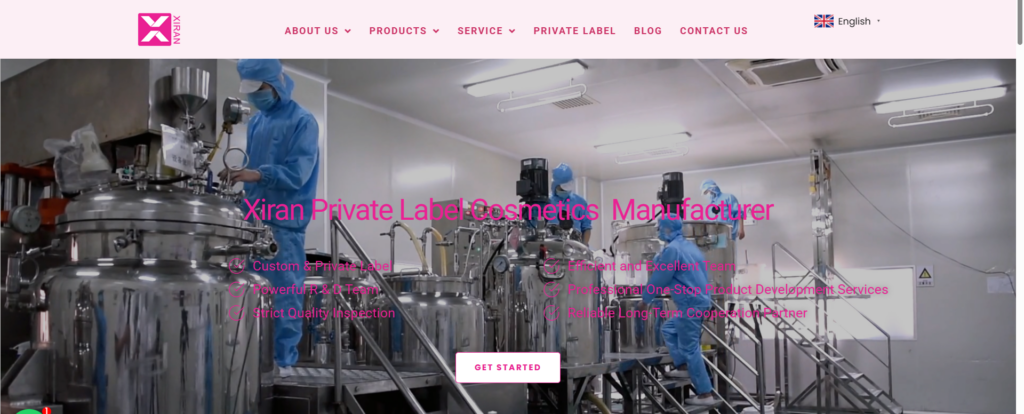
Si vous recherchez un R de classe mondiale&D, options d'emballage absolument étonnantes et innovantes, et des prix hautement compétitifs qui évoluent avec votre entreprise à l'échelle mondiale, nous vous recommandons fortement de regarder un peu plus loin pour Guangzhou Xiran Cosmetics Co., Ltée. Pourquoi Guangzhou Xiran Cosmetics Co., Ltée.? Basé dans la capitale manufacturière mondiale de Guangzhou, Chine, Xiran est l'un des principaux fabricants de cosmétiques OEM/ODM qui comble le fossé entre la qualité supérieure et la rentabilité..
- Normes mondiales: Ils détiennent GMPC, ISO22716, et certifications FDA, ce qui signifie que vos produits répondent aux normes de sécurité strictes de l'Amérique du Nord, Europe, et l'Asie.
- Incroyable R&D: Leur laboratoire formule tout, du végétalien, soins de la peau sans cruauté envers les pigments élevés, cosmétiques de couleur de qualité professionnelle.
- Véritable service clé en main: Contrairement à de nombreuses usines locales où vous devez vous procurer vos propres bouteilles et boîtes, Xiran gère toute la supply chain. Vous leur donnez un concept, et ils livrent un joliment emballé, produit prêt à vendre.
- Avantage de coût: Parce qu’ils sont situés à la source des chaînes d’approvisionnement mondiales en emballages et en matières premières, ils peuvent offrir des produits de qualité supérieure à une fraction du coût des fabricants d’Asie du Sud-Est ou occidentaux, booster considérablement votre marque’les marges bénéficiaires.
Si vous souhaitez élever votre marque’s de qualité tout en conservant d'excellentes marges, visiter leur site Web pour demander un échantillon est votre meilleure prochaine étape.
Foire aux questions (FAQ)
Q: Dois-je être une entreprise enregistrée pour créer une marque de cosmétiques de marque privée? UN: Oui. Vendre légalement des cosmétiques, surtout lorsqu'il s'agit d'organismes de réglementation comme BPOM ou la FDA, vous avez besoin d'une entité commerciale enregistrée. Les fabricants ont également généralement besoin de documents commerciaux pour finaliser les contrats de production..
Q: Guangzhou Xiran Cosmetics peut-il m'aider à formuler des produits Halal pour le marché indonésien? UN: Absolument. Des fabricants mondiaux expérimentés comme Xiran formulent régulièrement leurs produits sans sous-produits animaux ni alcool.. Vous pouvez les nettoyer, formules végétaliennes et processus de certification Halal locale via MUI en Indonésie.
Q: Quelle est la différence entre OEM et ODM? UN: OEM (Fabricant d'équipement d'origine) signifie que l'usine fabrique un produit entièrement basé sur vos spécifications et formules personnalisées. ODM (Fabricant de conception originale) signifie que l'usine fournit un, formule testée que vous pouvez simplement renommer comme la vôtre (Marque privée). L'ODM est beaucoup plus rapide et moins cher pour les nouvelles marques.
Q: Combien de temps faut-il entre le concept et le produit fini? UN: Si vous utilisez une approche ODM/marque privée avec une formule existante, ça prend habituellement 30 à 60 jours. Si vous effectuez une formulation OEM personnalisée à partir de zéro, attendez-vous au processus (y compris les tests de stabilité, échantillonnage, et approvisionnement en emballages) à emporter partout 3 à 6 mois.