Langkau ke kandungan


Belgium ialah tempat yang penting untuk pembuatan di Eropah kerana ia mempunyai infrastruktur logistik yang kukuh dan mengikut piawaian kualiti serantau yang ketat. Apabila jenama mencari pengeluar kosmetik di Belgium, mereka biasanya meletakkan kestabilan formulasi, keselamatan peraturan, dan penyelidikan dan pembangunan khusus mendahului jumlah pengeluaran yang besar.
Ekosistem pembuatan di sini berkait rapat dengan industri farmaseutikal dan dermokosmetik. Banyak kilang di kawasan itu juga terlibat dalam pembuatan produk kesihatan dan kesejahteraan, yang bermaksud sistem kawalan kualiti mereka tersusun dengan sangat baik. Ini menjadikan kawasan itu sangat menarik kepada jenama penjagaan diri mewah, jenama penjagaan kulit klinikal, dan rangkaian produk organik.
Apabila ia datang kepada sumber, kos pengeluaran sentiasa lebih tinggi di Eropah Barat berbanding pasaran Asia atau Eropah Timur. Namun begitu, trade-off adalah bahawa formulasi adalah sangat boleh dipercayai dan bersedia untuk bertemu peraturan kosmetik EU piawai dengan segera. Pembeli perlu mempertimbangkan dengan teliti jumlah yang mereka perlu buat pada setiap jualan berbanding nilai strategik label buatan EU.

Ekosistem Pembuatan di Belgium
Rangkaian pengeluaran kecantikan Belgium kebanyakannya terdiri daripada yang kecil, makmal yang sangat khusus, bukan hab pengisian kontrak yang besar. Banyak pembekal hanya menjual produk di kawasan tertentu, seperti produk salun profesional, penjagaan kulit untuk kulit, atau formulasi semulajadi.
Kilang biasanya tahu banyak tentang kertas kerja pematuhan yang rumit kerana peraturan di kawasan mereka sangat ketat. Apabila jenama bekerja dengan pembekal ini, mereka sering mendapati lebih mudah untuk mengikuti prinsip penilaian keselamatan kosmetik kerana rakan kongsi pembuatan sudah bekerja mengikut garis panduan yang ketat tersebut.
Syarikat yang paling menghargai ketelusan bahan dan keberkesanan klinikal akan melakukan yang terbaik dalam ekosistem ini. Pemula yang mencari kos rendah, kumpulan eksperimen yang sangat fleksibel mungkin lebih sukar untuk masuk ke sini kerana rakan kongsi sudah mantap dalam industri.
Syarikat kosmetik terbaik di Belgium
Pengeluar Kosmetik Terbaik di Belgium
Cerepharma
Cerepharma ialah pengilang khusus dengan latar belakang yang kukuh dalam penjagaan kulit profesional dan dermocosmetics. Keupayaan mereka untuk berkembang sangat tertumpu pada formulasi kaya aktif dan estetika gred klinikal.
Kekuatan utama
Syarikat itu mempunyai a “aliran kerja rumusan berstruktur” yang bertujuan untuk membuat produk penjagaan kulit yang berfungsi dengan baik. Mereka tahu tentang anti-penuaan, pembaikan halangan, dan kategori rawatan yang disasarkan, dan mereka gunakan “struktur rumusan yang stabil” yang bagus untuk saluran pengedaran profesional.
Mungkin sesuai
Pembekal ini sangat penting untuk jenama di spa perubatan, penjagaan kulit dermatologi, dan syarikat yang memerlukan formula yang terbukti secara saintifik.
Perkara yang perlu diperiksa
Pembeli harus menyemak keperluan pesanan minimum untuk formulasi tersuai dan memastikan bahawa pembungkusan boleh diperoleh dengan cara yang fleksibel.

Cosmade di Belgium
Cosmade ialah rakan kongsi pembuatan kontrak perkhidmatan penuh yang berfungsi pada kedua-dua label peribadi dan projek penggubalan tersuai. Mereka menekankan proses pembangunan berpandu daripada idea pertama dalam makmal kepada produk akhir.
Kekuatan utama
Model perniagaan mereka menyokong “kebiasaan pelbagai kategori,” yang bermaksud mereka boleh mengendalikan segala-galanya daripada penjagaan peribadi harian kepada kosmetik tertentu. Kemudahan itu disediakan untuk “kebolehulangan kelompok yang stabil,” yang memastikan bahawa semua rangkaian produk kekal sama semasa ia berkembang.
Mungkin sesuai
Baik untuk jenama bersaiz sederhana yang mahukan pangkalan pembuatan Eropah yang boleh dipercayai dengan sokongan pembangunan penuh.
Perkara yang perlu diperiksa
Anda harus bercakap tentang pelbagai pilihan penyesuaian untuk formulasi yang sangat rumit dan bila mereka boleh mendapatkan bahan-bahan baharu.

Bio-Essentials
Bio-Essentials ialah syarikat khusus yang mengkhususkan diri dalam pembuatan kosmetik yang semula jadi, organik, dan baik untuk alam sekitar. Falsafah pembangunan mereka adalah berdasarkan piawaian kecantikan yang bersih dan memetakan bahan-bahan yang baik untuk alam sekitar.
Kekuatan utama
Makmal sangat pandai pembangunan formulasi botani dan memastikan perkara itu organik. Mereka mempunyai a “persekitaran pengeluaran yang diperakui eko,” yang menjadikan mereka sangat baik dalam mengendalikan bahan aktif berasaskan tumbuhan dan pengawet semula jadi yang sensitif.
Mungkin sesuai
Syarikat ini sesuai dengan jenama penjagaan kulit organik, garis solek vegan, dan pengasas yang sangat mengambil berat tentang melindungi alam sekitar.
Perkara yang perlu diperiksa
Jenama harus menyemak masa petunjuk untuk mandatori panduan ujian kestabilan untuk kosmetik sebelum dilancarkan kerana formulasi semula jadi perlu diperiksa untuk kestabilan dengan teliti.

Ancalima
Ancalima berada di barisan antara membuat dadah dan membuat kosmetik. Ia mempunyai peraturan yang ketat untuk membuat produk topikal. Pengalaman mereka dalam menjalankan perniagaan memastikan kawalan kualiti adalah sangat ketat.
Kekuatan utama
Kemudahan ini mempunyai keupayaan untuk menghasilkan pada skala perindustrian, dan ia juga mempunyai jaminan kualiti yang memenuhi piawaian farmaseutikal. Mereka mahir membuat salap, krim klinikal, dan penjagaan kulit terapeutik di kilang yang telah disahkan memenuhi Amalan Pengilangan Baik (GMP).
Mungkin sesuai
Ini bagus untuk jenama yang membuat kosmetik, penjagaan kulit yang diedarkan farmasi, atau rawatan topikal over-the-counter yang memerlukan pengendalian bahan aktif dengan teliti.
Perkara yang perlu diperiksa
Fleksibiliti juruterbang mungkin terhad; pembeli harus menyemak dengan kilang untuk melihat sama ada mereka boleh mengendalikan kelompok yang lebih kecil untuk ujian pasaran awal.

Conpalux
Conpalux kebanyakannya dikenali sebagai rakan kongsi yang kuat untuk kontrak pengisian dan pembungkusan, tetapi mereka juga menawarkan rangkaian perkhidmatan formulasi yang lebih luas. Mereka membantu jenama yang perlu mengendalikan cecair, krim, dan gel dengan cara yang cekap di kilang.
Kekuatan utama
Syarikat menawarkan keupayaan pengisian berkelajuan tinggi dan pelbagai pilihan pembungkusan. mereka “kematangan operasi” membolehkan mereka mengendalikan keperluan jenama terkenal’ rantaian bekalan secara besar-besaran.
Mungkin sesuai
Sangat sesuai untuk rangkaian runcit, jenama penjagaan diri yang banyak terjual, dan syarikat yang sudah mempunyai formulasi tetapi memerlukan pengisian Eropah yang boleh dipercayai.
Perkara yang perlu diperiksa
Jenama yang ingin melakukan banyak penyelidikan dan pembangunan pada tekstur baharu harus memastikan mereka mengetahui pelbagai pilihan formulasi tersuai makmal.

Kelayakan
Qualiphar ialah sebuah syarikat besar dalam industri kesihatan dan farmaseutikal yang turut membuat kosmetik untuk kulit. Infrastruktur mereka adalah berdasarkan pematuhan dan keselamatan penuh.
Kekuatan utama
Perniagaan menyediakan sistem kualiti berstruktur dan banyak pengetahuan tentang kertas kerja kawal selia. Kekuatan pembuatan mereka terletak pada konsistensi kelompok gred klinikal, yang penting untuk produk yang memerlukan kawalan mikrobiologi yang ketat.
Mungkin sesuai
Terbaik untuk jenama lama, label farmasi, dan syarikat penjagaan kulit klinikal yang perlu mengekalkan standard pengeluaran mereka tinggi.
Perkara yang perlu diperiksa
OEM mungkin lebih kurang terbuka kepada idea jenama indie baharu sepenuhnya yang berdasarkan arah aliran, kerana mereka biasanya memberi tumpuan kepada produk berkaitan kesihatan berstruktur.

DLAB Kosmetik Tersuai
DLAB ialah makmal formulasi tersuai yang membuat produk kosmetik unik untuk jenama yang memerlukannya. Kaedah mereka sangat tertumpu kepada penyelidikan dan pembangunan.
Kekuatan utama
Makmal menunjukkan bahawa ia mempunyai keupayaan formulasi yang kuat dengan memberi tumpuan kepada menyesuaikan diri dengan trend dan mencipta tekstur baharu. Mereka membantu dengan “kitaran pembangunan tangkas,” yang membolehkan jenama bermula dari awal dan membuat identiti produk mereka sendiri yang unik.
Mungkin sesuai
Sangat bagus untuk jenama indie mewah, barisan penjagaan kulit yang dikendalikan oleh pengasas mereka, dan syarikat yang ingin menonjol di pasaran dengan membuat produk mereka sendiri.
Perkara yang perlu diperiksa
Jika jenama menjangkakan untuk mengembangkan volum globalnya dengan cepat, ia harus melihat sejauh mana pengeluarannya berskala.

Kecantikan Libinvest
Libinvest ialah nama yang terkenal dalam industri kecantikan profesional. Mereka membuat produk hanya untuk salun, spa, dan ahli estetik. Mereka tahu apa yang diperlukan oleh protokol penggunaan profesional yang berbeza daripada yang lain.
Kekuatan utama
Mereka mempunyai banyak pengalaman dalam rawatan profesional, seperti saiz back-bar dan serum profesional yang aktif tinggi. Kemudahan menyokong penyelarasan program pelbagai produk untuk garis rawatan penuh.
Mungkin sesuai
Sesuai untuk francais spa, jenama kecantikan profesional, dan pengedar pasaran salun B2B.
Perkara yang perlu diperiksa
Pertimbangkan dengan teliti sama ada strategi pembungkusan dan harga sesuai untuk runcit terus kepada pengguna.

Airosolutions
Pengilangan aerosol dan kontrak cecair adalah sebahagian besar daripada Airosolutions’ perniagaan. Mereka membina infrastruktur asas yang diperlukan oleh jenama untuk membuat semburan, berbuih, dan jenis kosmetik lain yang berada di bawah tekanan.
Kekuatan utama
Kemudahan ini mempunyai peralatan industri khas yang menjadikannya selamat untuk mengisi aerosol dan mengendalikan bahan dorong. Mereka menawarkan kestabilan proses untuk produk penjagaan diri dan penggayaan yang dijual dalam kuantiti yang banyak.
Mungkin sesuai
Rakan kongsi penting untuk garis semburan badan, jenama penjagaan rambut, dan syarikat penjagaan matahari yang memerlukan pembungkusan bertekanan khas.
Perkara yang perlu diperiksa
Tumpuan mereka sangat sempit. Jenama yang memerlukan pengisian balang atau tiub standard untuk penjagaan kulit asas perlu menyemak sama ada format tersebut masih disokong.

Kosmetik untuk ADA
ADA Cosmetics berfungsi di seluruh dunia, tetapi mereka sangat terkenal di Eropah untuk kosmetik hotel mereka dan produk penjagaan diri mewah untuk hotel.
Kekuatan utama
Mereka hebat dalam menyelaraskan pengeluaran berskala besar dan mencari penyelesaian pembungkusan mesra alam untuk industri hospitaliti. Operasi mereka menyediakan penyelarasan rantaian bekalan yang stabil untuk volum tinggi, restocking berterusan.
Mungkin sesuai
Terbaik untuk rangkaian hotel mewah, pengedar perhotelan, dan jenama gaya hidup yang ingin menceburi perniagaan kemudahan.
Perkara yang perlu diperiksa
Jenama yang mahukan adat, penjagaan kulit runcit kumpulan kecil harus menyemak sama ada kilang boleh mengendalikan permintaan OEM runcit standard di luar hospitaliti.

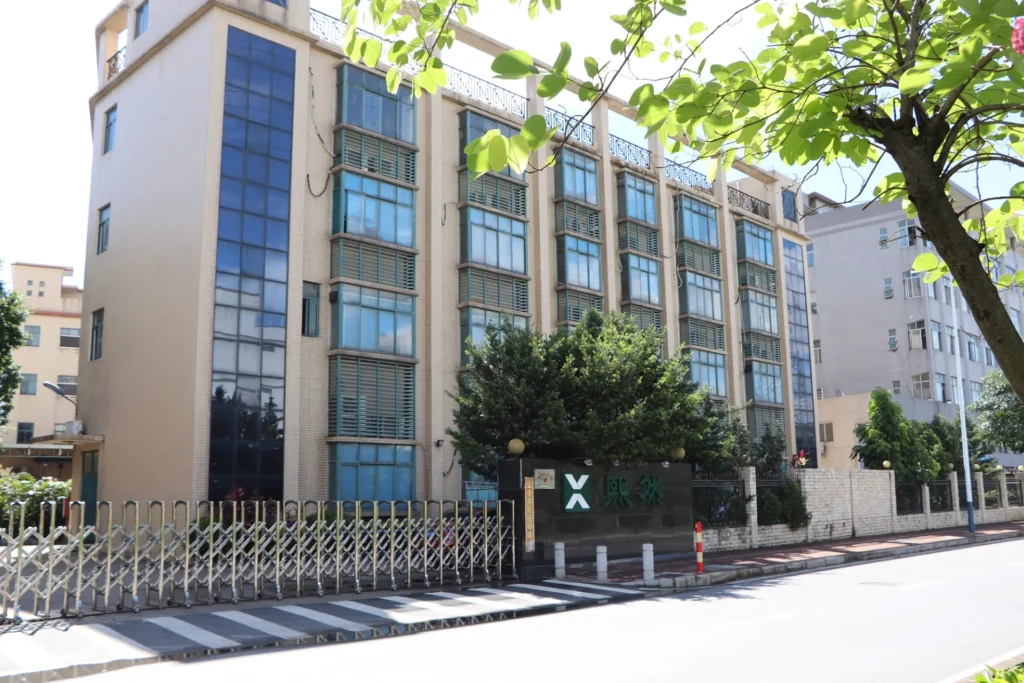
Kosmetik Xiran: Alternatif OEM Global
Pengeluaran tempatan di Belgium mempunyai beberapa faedah pengawalseliaan, tetapi struktur kos boleh menyukarkan jenama untuk berkembang. Xiran Cosmetics ialah pilihan luar negara yang baik kerana ia menawarkan keseimbangan terbaik antara keberkesanan kos dan pematuhan dengan piawaian global.
Kekuatan utama
Xiran mempunyai kebolehan untuk membuat sesuatu pada a skala industri sambil menyimpan sangat aliran kerja rumusan berstruktur. Mereka secara aktif menyokong pematuhan antarabangsa dengan memastikan produk memenuhi keperluan dokumentasi untuk memasuki pasaran EU.
Mungkin sesuai
Sangat berguna untuk jenama yang ingin meningkatkan pengeluaran, meningkatkan margin keuntungan, atau mula menjual berbilang SKU tanpa perlu membuat pelaburan awal yang besar dalam makmal Eropah Barat.
Perkara yang perlu diperiksa
Apabila membandingkan pilihan ini dengan pengeluaran tempatan Eropah, jenama harus merancang untuk masa pendahuluan pengangkutan laut yang lebih lama.
Perbandingan Keupayaan Pembekal dan Pensijilan
Jadual di bawah menunjukkan fokus perniagaan utama dan petunjuk kelayakan penting untuk pembekal yang disenaraikan. Ini akan membantu anda mengecilkan pilihan anda.
| Syarikat | Fokus Perniagaan Teras | Pensijilan & Sorotan Kelayakan |
|---|---|---|
| Cerepharma | Dermocosmetics dan penjagaan kulit profesional | ISO 22716, fokus pada keberkesanan klinikal |
| Cosmade Belgium | Kosmetik label peribadi dan formulasi tersuai | Mengikuti Peraturan Kosmetik EU dan GMP |
| Bio-Essentials | Kecantikan yang semulajadi, organik, dan baik untuk alam sekitar | Kemudahan yang diperakui eko dan pensijilan organik |
| Ancalima | Rawatan topikal dan farmaseutikal | Piawaian GMP dan ISO untuk farmaseutikal |
| Conpalux | Pengisian kontrak, cecair pembungkusan dan krim | Pematuhan GMP industri berkapasiti tinggi |
| Kelayakan | Kosmetik kesihatan, penjagaan kulit farmasi | QA/QC gred farmasi, ISO 13485 (Perubatan) |
| Kosmetik DLAB | Tersuai R&D, formulasi tersuai | Pengesahan formulasi pada skala makmal, GMP |
| Libinvest | Rawatan profesional salon dan spa | ISO 22716 penilaian keselamatan untuk profesional |
| Airosolutions | Aerosol dan cecair kosmetik bertekanan | Pensijilan untuk keselamatan aerosol yang khusus untuk industri |
| Kosmetik ADA | Penjagaan peribadi untuk hotel dan restoran | Cradle to Cradle diperakui, GMP mampan |
| Kosmetik Xiran | Penjagaan kulit OEM/ODM global & kosmetik | ISO 22716, GMPC, dan piawaian FDA semuanya dipenuhi |

Pertimbangan Sumber untuk Pembekal Belgium
Apabila bekerja dengan syarikat pengeluaran kosmetik di kawasan ini, pembeli perlu memastikan bahawa model perniagaan mereka selaras dengan cara sesuatu dibuat di sini. Saiz pasaran kosmetik global semakin besar, tetapi kapasiti pengeluaran Eropah kekal dikawal dengan teliti dan kos yang tinggi.
Kebanyakan kilang di sini mengharapkan konsep jenama yang jelas dan wang yang mencukupi untuk menyokong fasa ujian menyeluruh. Masa yang diambil untuk konsep menjadi sampel yang diluluskan selalunya lebih lama kerana peraturan Eropah memerlukan langkah keselamatan yang ketat. Jenama tidak sepatutnya mengharapkan kitaran pembangunan yang cepat.
Prestasi kos adalah sangat penting. Jika saluran jualan utama jenama memerlukan margin yang tinggi dan diskaun yang agresif, membuat sesuatu di Belgium mungkin tidak cukup menguntungkan. Dalam situasi ini, menggunakan Eropah R&D dan memindahkan sebahagian besar pengeluaran kepada rakan kongsi OEM luar negara selalunya membawa kepada hasil perniagaan yang lebih baik.
Soalan Lazim
Adakah syarikat kosmetik di Belgium bagus untuk jenama baharu?
Banyak bergantung pada belanjawan permulaan dan di mana ia berdiri. Pemula premium yang mempunyai wang yang cukup untuk penyelidikan dan pembangunan serta ujian kestabilan akan mencari rakan kongsi yang hebat. Pemula dengan belanjawan terhad mungkin menghadapi masalah dengan kuantiti pesanan minimum (MOQ) dan yuran ujian.
Adakah kilang-kilang ini menjaga semua kertas kerja untuk peraturan EU?
Kebanyakan makmal terkenal menawarkan sokongan dokumentasi penuh, seperti helaian data keselamatan dan ketelusan ramuan yang berikut Panduan penamaan bahan INCI. Tetapi biasanya jenama itu yang perlu mendaftarkan produk di portal EU CPNP.
Berapa lama masa yang biasanya diambil untuk membuat formulasi tersuai dalam pasaran ini?
Proses biasanya mengambil masa 6 kepada 9 bulan sebelum pengeluaran berskala penuh boleh bermula untuk formulasi tersuai sepenuhnya yang memerlukan kestabilan standard dan ujian cabaran. Formula label putih atau label peribadi pra-buatan boleh mengurangkan masa ini dengan banyak.