Langkau ke kandungan


Venezuela mempunyai pangkalan pembuatan kosmetik yang kecil tetapi aktif mengikut sejarah. Ini disebabkan budaya membeli kosmetik dan tekanan ekonomi sejak beberapa tahun kebelakangan ini. Apabila pembeli mencari pengeluar kosmetik di Venezuela, konteksnya sangat penting. Ini bukan pasaran eksport OEM yang luas seperti China atau Korea, tetapi ia mempunyai pembekal yang benar-benar relevan dengan pasaran tempatan dan, dalam beberapa kes, mempunyai kemahiran khusus kategori.
Selalunya, pembeli datang ke Venezuela atas salah satu daripada dua sebab: sama ada mereka mahu menjual terus ke pasaran Amerika Latin tempatan atau serantau, atau mereka ingin mengetahui pilihan pengeluaran tempatan yang tersedia sebelum memutuskan sama ada lebih baik untuk membuat sesuatu di luar negara. Panduan ini menjawab kedua-dua soalan ini.
Penting untuk diperhatikan bahawa pasaran kosmetik global telah banyak berubah dalam sepuluh tahun yang lalu. Lebih banyak jenama kini melihat perkongsian OEM di luar negara sebagai tambahan kepada pilihan penyumberan domestik. Dalam konteks penyumberan yang lebih besar itu, adalah penting untuk memahami landskap pembuatan Venezuela.
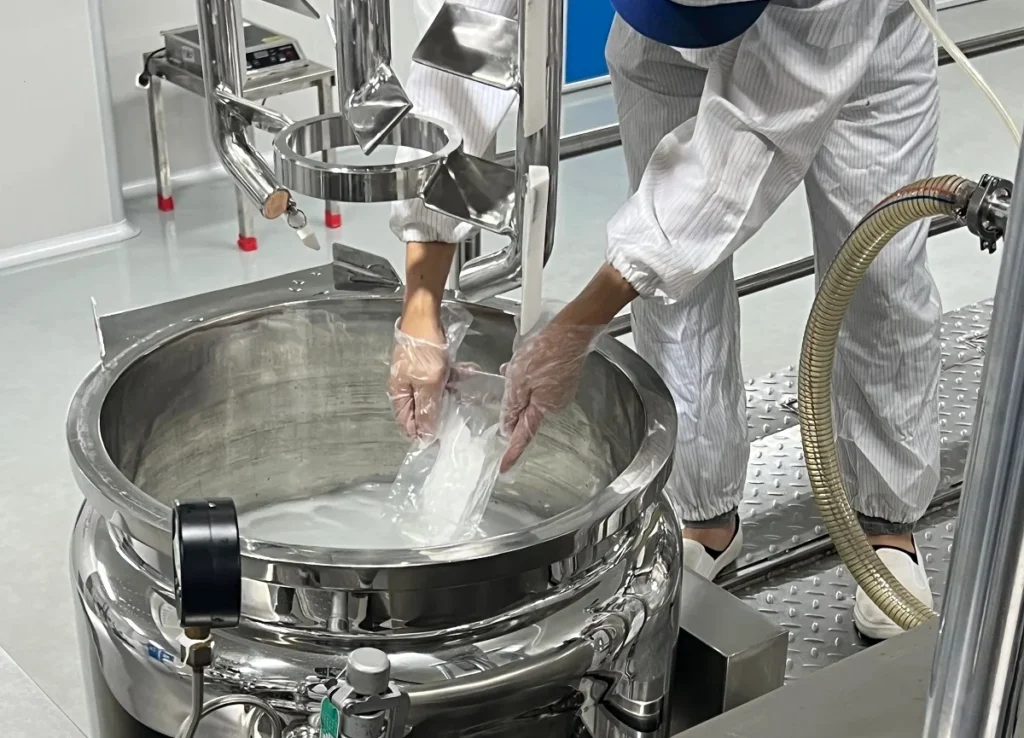
Kebenaran Mengenai Industri Pembuatan Kosmetik di Venezuela
Pada pertengahan abad ke-20, Industri kosmetik Venezuela berkembang pesat kerana penduduk di sana mempunyai budaya kecantikan yang kuat dan terdapat permintaan yang semakin meningkat untuk kosmetik di rumah. Pada masa itu, beberapa jenama dan makmal terkenal telah diasaskan. Sebahagian daripada mereka masih menjalankan perniagaan hari ini dalam beberapa bentuk.
Tetapi sektor pembuatan telah banyak menyusut dalam beberapa tahun kebelakangan ini kerana keadaan makroekonomi yang tidak stabil, sekatan mengimport bahan mentah, dan peningkatan kos menjalankan perniagaan. Banyak perniagaan yang dahulunya membuat banyak perkara telah mengurangkan pengeluaran, mengubah cara mereka menjalankan perniagaan, atau mengalihkan tumpuan mereka daripada membuat sesuatu kepada mengedarkannya.
Ini bermakna bahawa pembeli harus mempunyai jangkaan yang realistik ketika datang ke sumber dari Venezuela. Masih terdapat pengilang yang bekerja di pasaran, tetapi julat pilihan OEM/label peribadi, bilangan kategori produk yang boleh mereka sokong, dan tahap pembangunan rumusan yang boleh mereka lakukan semuanya secara amnya lebih kecil berbanding pasaran pembuatan yang lebih mantap.
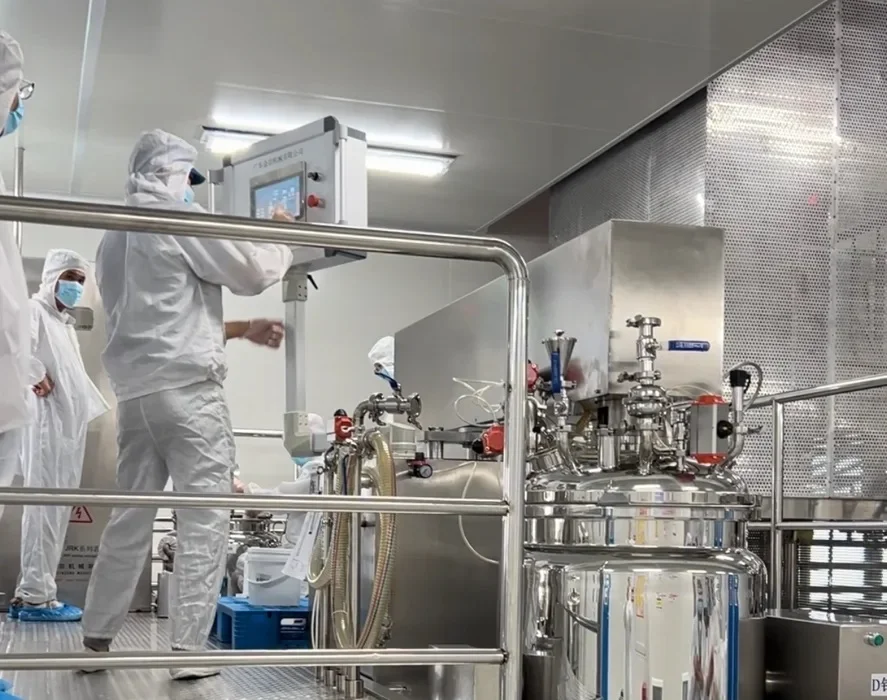
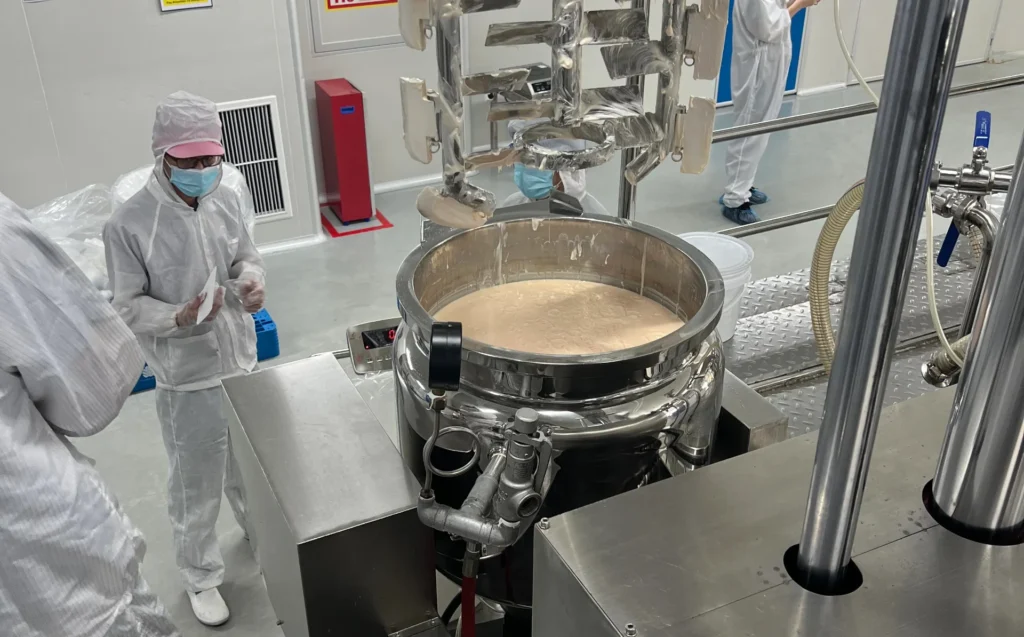
Di pasaran ini, pengesahan pembekal amat penting bagi pembeli yang mahukan konsistensi pembuatan pada tahap kosmetik GMP dan proses pengeluaran yang didokumentasikan dengan baik.
Kebaikan dan keburukan membuat sesuatu di Venezuela
Apa yang Berfungsi untuk Venezuela
Perkara terbaik tentang bekerja dengan pengeluar Venezuela ialah mereka mengetahui pasaran pengguna tempatan dan serantau dengan baik. Syarikat yang telah berniaga di sini selama beberapa dekad tahu cara membuat produk, bungkus mereka, dan sampaikan kepada pelanggan. Ini boleh berguna untuk jenama yang ingin menjual kepada pelanggan Venezuela atau Amerika Latin yang berdekatan.
Sesetengah pengeluar masih mempunyai keupayaan atau pengetahuan tentang peraturan yang penting kepada pasaran Venezuela. Pembekal yang pernah bekerja dengan pihak berkuasa kesihatan tempatan sebelum ini mungkin memudahkan produk memenuhi keperluan mereka.
Kedudukan kos juga boleh menjadi penting dalam beberapa kes, tetapi ini banyak bergantung kepada pembekal dan keadaan makroekonomi semasa, bukan pada kelebihan kos struktur.
Di mana Pasaran Mempunyai Had Nyata
Berbanding dengan hab pembuatan di Asia atau negara Amerika Latin yang lain, Perkhidmatan OEM dan label peribadi tidak begitu mendalam. Tidak semua pembekal menawarkan pembangunan formulasi tersuai, penyesuaian pembungkusan yang meluas, dan sokongan dokumentasi eksport berstruktur.
Mendapatkan bahan mentah telah menjadi masalah berterusan untuk perniagaan. Sekatan import dan kesukaran menukar mata wang telah menyukarkan pengeluar tempatan mendapatkan bahan yang mereka perlukan. ini, mengikut giliran, menjadikan pengeluaran kurang dipercayai dan produk kurang konsisten.
Persekitaran pengeluaran semasa Venezuela tidak mempunyai kedalaman yang sama seperti Brazil, Mexico, atau rakan kongsi luar negara untuk jenama yang memerlukan pengeluaran berskala, formulasi kuat R&D, atau pembuatan berorientasikan eksport yang boleh dipercayai.
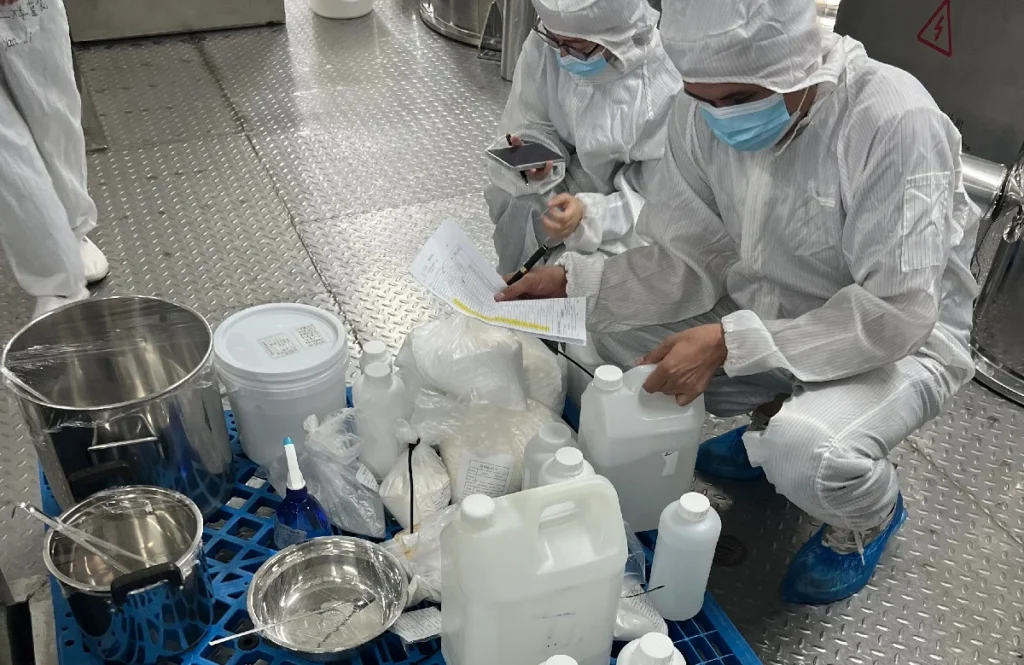
Mengapa Banyak Jenama Memilih Membuat Produk Mereka di Negara Lain Sebaliknya
Kerana masalah pembuatan Venezuela, banyak jenama yang sama ada mengimport produk kecantikan ke Venezuela atau membuat produk kecantikan untuk pasaran Amerika Latin memilih untuk membuatnya di negara lain. Sebab utama adalah praktikal, tidak strategik:
- Fleksibiliti dalam perumusan: Rakan kongsi OEM luar negara, terutamanya di China dan Korea, mempunyai perpustakaan formula yang lebih besar, membantu dengan pembangunan tersuai, dan akses yang lebih mudah kepada bahan-bahan.
- Konsisten dalam pengeluaran: Hab OEM yang ditubuhkan menawarkan masa pendahuluan yang lebih dipercayai, kumpulan yang konsisten, dan dokumentasi yang berkualiti.
- Kebolehcapaian MOQ: Untuk jenama peringkat awal, sesetengah pengeluar luar negara lebih mudah dihubungi berbanding kilang tempatan yang tidak mempunyai banyak infrastruktur label peribadi.
- Kertas kerja eksport: Rakan kongsi OEM antarabangsa yang biasa menjalankan perniagaan merentasi sempadan biasanya menyediakan kertas kerja yang lebih lengkap untuk penyerahan peraturan.
Ini tidak bermakna membuat sesuatu secara tempatan tidak berguna; ia adalah, terutamanya untuk jenama yang ingin relevan dalam pasaran tempatan dan untuk logistik jarak pendek. Tetapi anda harus menimbang dengan teliti kebaikan dan keburukan sebelum membuat keputusan untuk mendapatkan sumber secara tempatan.
Profil Pengeluar Kosmetik di Venezuela
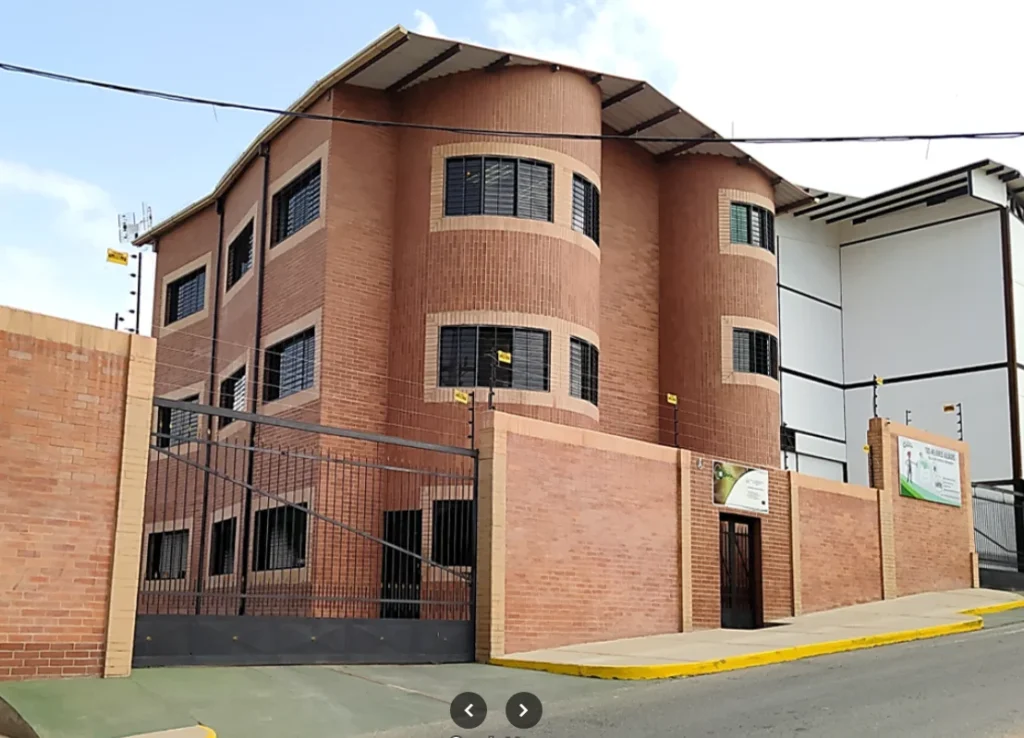
Profil di bawah adalah mengenai pengeluar terkenal dan orang lain yang bekerja dalam industri di Venezuela. Setiap profil menunjukkan maklumat kedudukan yang tersedia secara umum dan bertujuan untuk membantu dengan penilaian pertama pembekal, bukan untuk menggantikan kelayakan langsung.
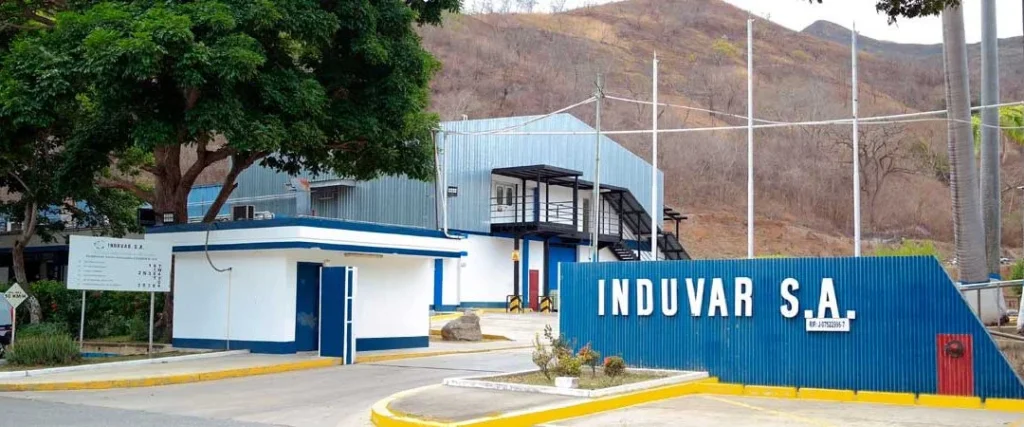
Induvar S.A.
Kedudukan: Sebuah syarikat Venezuela yang telah lama membuat penjagaan diri dan kosmetik, dengan tumpuan untuk menjual kepada sebilangan besar orang di Venezuela.
Induvar telah membuat produk penjagaan diri di Venezuela untuk masa yang lama, dan kebanyakan produknya adalah untuk kegunaan harian. Nampaknya syarikat itu lebih baik dalam membuat banyak perkara untuk pasaran rumah daripada membuat produk label peribadi yang sangat unik.
Induvar mungkin tempat yang baik untuk pembeli yang mencari rakan kongsi pengeluaran tempatan dalam kategori penjagaan kulit atau penjagaan diri standard dengan tumpuan pada pengedaran domestik. Namun begitu, adalah penting untuk menyemak terus dengan Induvar untuk melihat kapasiti pengeluaran semasa mereka dan ketersediaan OEM.
- Rangkaian produk: penjagaan badan, penjagaan diri, dan penjagaan kulit
- Terbaik untuk: jenama yang ingin menjual produk standard di pasaran domestik Venezuela
- Fikirkan tentang ini: anda harus menyemak fleksibiliti OEM dan dokumentasi pengeluaran sebelum bergerak ke hadapan.
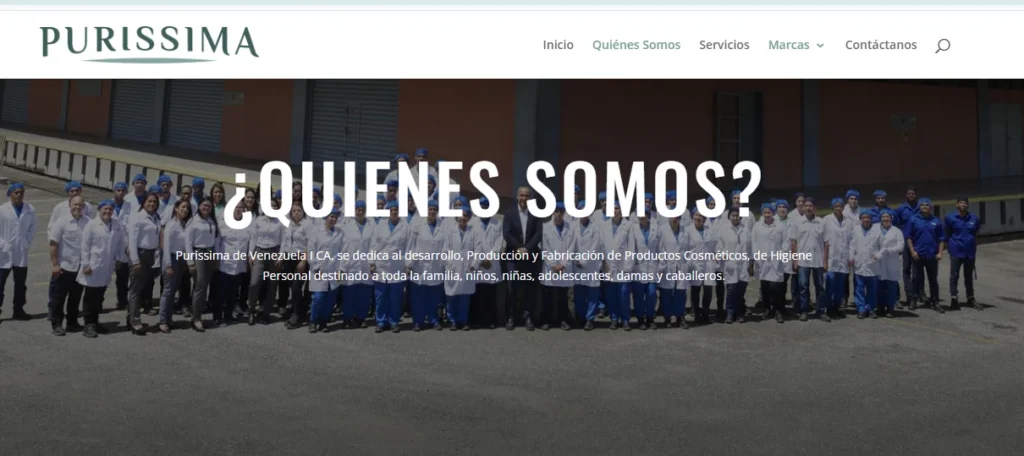
Purissima dari Venezuela I C.A.
Kedudukan: Pembekal yang memberi tumpuan kepada produk semula jadi dan khusus, yang berguna untuk jenama yang ingin membuat produk mereka dengan lebih memperhatikan bahan.
Purissima de Venezuela terkenal dengan kaedah perumusan yang lebih bersih atau lebih semula jadi, yang sesuai dengan sebahagian daripada pasaran kecantikan tempatan yang mementingkan ketelusan ramuan. Ia bergantung pada skop siasatan sama ada ini bermakna keupayaan OEM penuh untuk formulasi tersuai.
Jika anda adalah jenama yang membuat produk penjagaan kulit atau penjagaan diri yang baik untuk alam sekitar untuk pasaran Venezuela atau serantau, anda mungkin ingin melihat ke dalam syarikat ini, terutamanya jika sumber tempatan adalah penting kepada anda.
- Rangkaian produk: penjagaan kulit semulajadi dan penjagaan diri yang menggalakkan kesihatan
- Terbaik untuk: idea jenama semula jadi atau kesejahteraan yang ingin menjangkau orang di kawasan tertentu
- Fikirkan: kedalaman pembangunan formulasi harus dilihat secara langsung
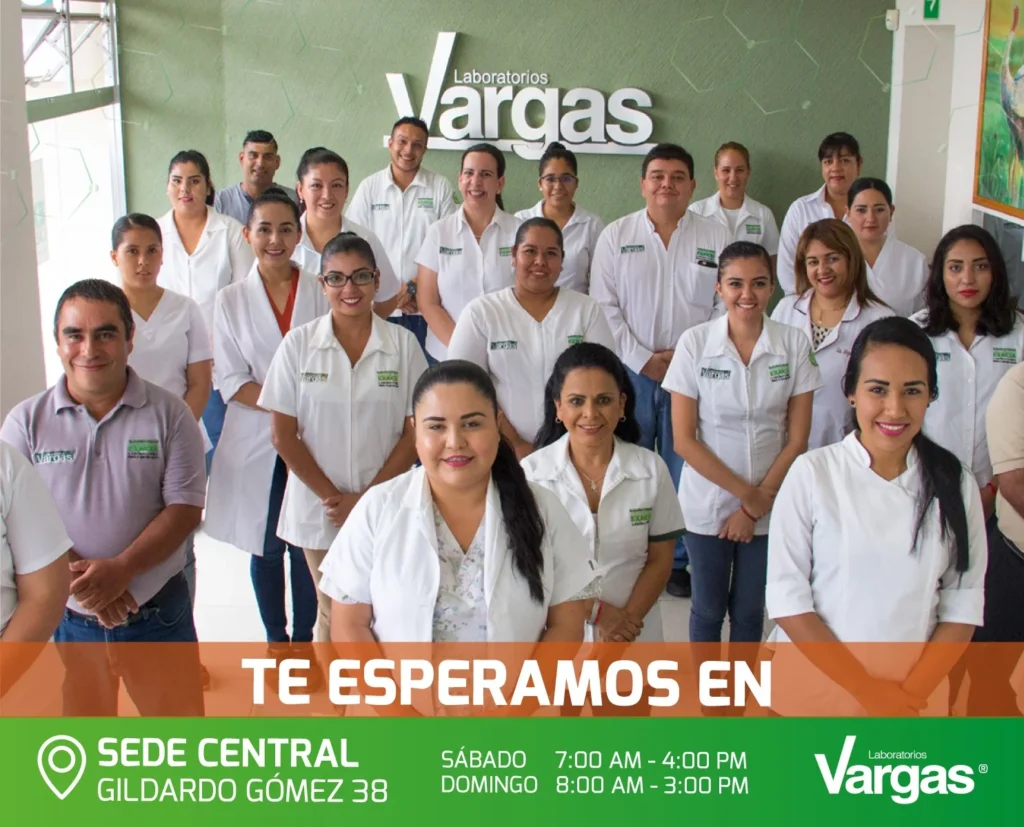
Makmal Vargas, C.A.
Kedudukan: Makmal bersebelahan farmaseutikal yang telah wujud sejak sekian lama di Venezuela dan penting untuk kedua-dua kategori produk berfungsi dan terkawal.
Laboratorios Vargas telah wujud lebih lama di Venezuela dan mempunyai kemahiran berkaitan farmaseutikal yang boleh berguna untuk jenama kecantikan yang membuat penjagaan kulit berfungsi atau produk ubat. Latar belakang pembuatan terkawal ini cenderung membawa kepada cara penyimpanan rekod yang lebih teratur.
Laboratorios Vargas mungkin berbaloi untuk melihat jenama yang perlu mematuhi peraturan pembuatan yang ketat atau yang membuat atau menjual produk yang termasuk dalam kategori yang sama seperti ubat atau kosmetik. Perlawanan adalah terbaik untuk berstruktur, projek yang diterajui rumusan dan bukannya pelancaran produk berdasarkan arah aliran.
- Rangkaian produk: penjagaan kulit yang berkesan, kecantikan berubat, dan penjagaan diri
- Terbaik untuk: jenama yang perlu tahu tentang peraturan dan mempunyai persekitaran penggubalan berstruktur
- Fikirkan: menyemak bahawa perkhidmatan OEM tersedia dan kumpulan boleh ditukar untuk projek khusus kosmetik
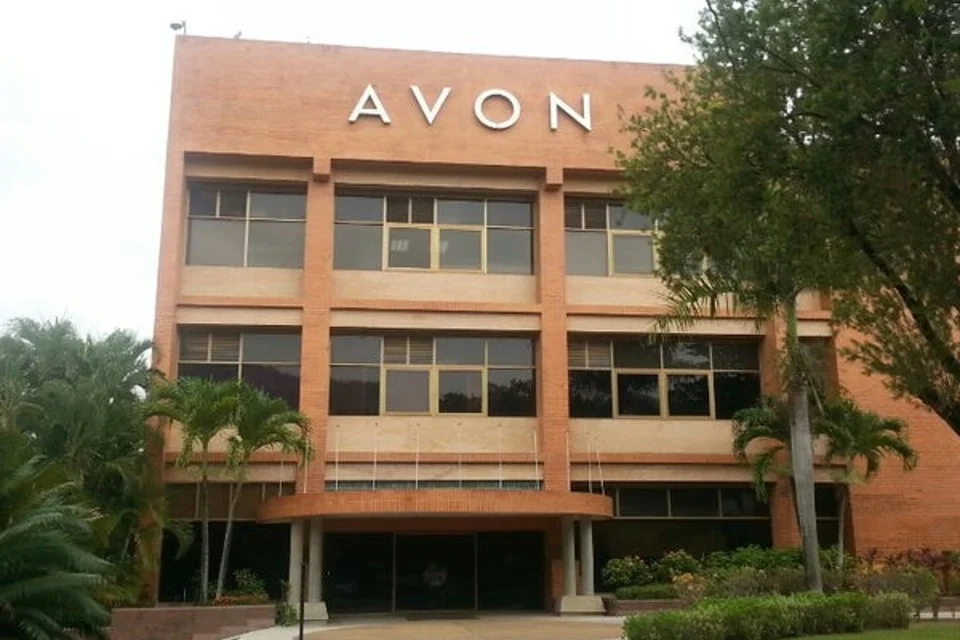
Kosmetik Avon di Venezuela
Kedudukan: Cabang pengeluaran tempatan model jualan langsung Avon di Venezuela, yang memfokuskan pada rantaian bekalan domestik dan bukannya OEM pihak ketiga.
Operasi Avon di Venezuela kebanyakannya ditubuhkan untuk menyokong barisan produk dan model jualan langsung syarikat itu sendiri. Biasanya, struktur jenis ini tidak membenarkan akses OEM pihak ketiga, jadi pembeli harus mengingatinya apabila mereka bertanya soalan.
Kehadiran Avon di Venezuela ialah cara yang baik untuk mengetahui lebih lanjut tentang industri pembuatan kosmetik negara dan jenis produk yang disukai orang. Namun begitu, sebagai rakan kongsi OEM, ia mungkin tidak berguna untuk kebanyakan pembeli B2B yang mencari pengeluaran kontrak.
- Jenis produk: kosmetik berwarna, penjagaan kulit, wangian, dan penjagaan diri
- Terbaik untuk: melakukan penyelidikan di pasaran dan bukannya terus ke OEM
- Fikirkan tentang ini: anda harus memastikan bahawa akses pembuatan pihak ketiga adalah jelas sebelum menganggap ia tersedia.
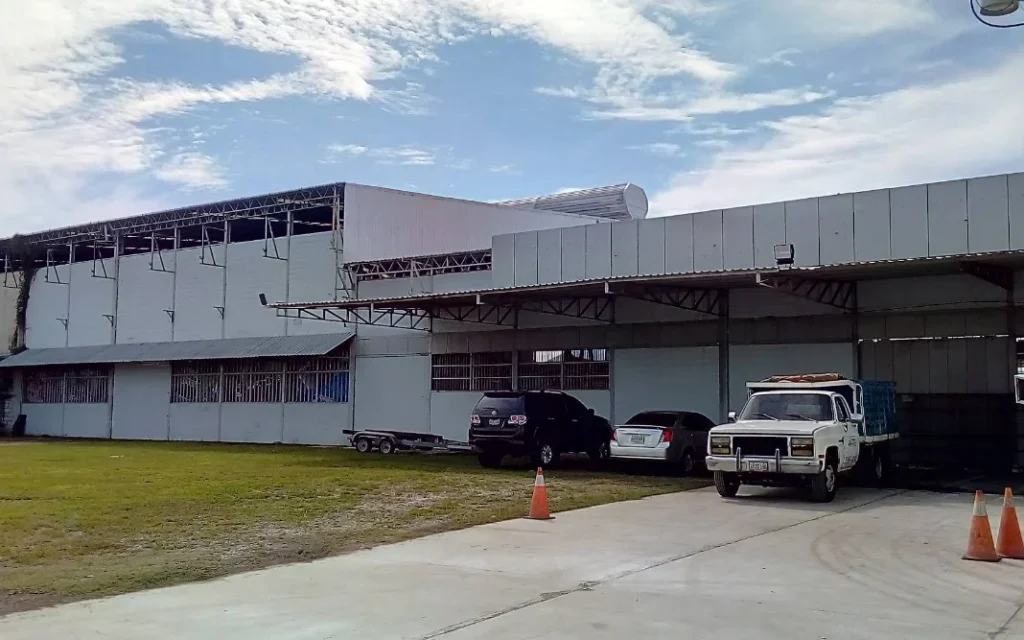
Saya akan terus mengedarkan, C.A.
Kedudukan: Pengedar dan pembekal bahan kimia dan bahan mentah kosmetik yang penting kepada perumus dan pengilang tempatan.
Perniagaan utama Prosequim bukan membuat barang siap, tetapi sebaliknya membekal dan mengedar bahan-bahan. Dalam konteks pembuatan kosmetik, ia boleh digunakan sebagai rujukan untuk jenama atau formulator yang mencari bahan dari pengeluar tempatan.
Orang yang ingin membeli barang siap harus tahu bahawa Prosequim tidak membuat barang siap. Tetapi mengetahui cara rantaian bekalan bahan-bahan berfungsi di Venezuela membantu pembeli mendapatkan idea yang lebih baik tentang jumlah kapasiti pengeluaran yang tersedia. Akses kepada bahan mentah merupakan antara masalah utama yang dihadapi oleh pengeluar tempatan.
- Jenis produk: pembekal bahan mentah dan bahan
- Terbaik untuk: jenama yang bekerja dengan perumus tempatan atau melihat cara bahan sampai kepada mereka
- Fikirkan: bukan rakan kongsi OEM untuk barangan siap; hanya relevan dalam konteks bekalan input
Kosmetik Valmy (Drocosca, C.A.)
Kedudukan: Salah satu jenama kosmetik tempatan Venezuela yang lebih terkenal, dengan sejarah dalam kosmetik warna dan penjagaan kulit, yang berfungsi dalam segmen premium domestik.
Valmy ialah salah satu jenama kosmetik Venezuela yang paling terkenal. Ia kebanyakannya menjual produknya di kedai di Venezuela. Syarikat itu lebih menumpukan pada barisan jenamanya sendiri daripada membuat produk label peribadi untuk syarikat lain.
Valmy ialah sumber yang baik untuk pembeli yang ingin mengetahui lebih lanjut tentang cara kedudukan prestij tempatan berfungsi di Venezuela. Apabila ia datang kepada sumber OEM, pembeli harus menyemak untuk melihat tahap perkhidmatan pembuatan pihak ketiga yang ditawarkan oleh syarikat, jika ada.
- Jenis produk: kosmetik berwarna, penjagaan kulit, dan penjagaan peribadi mewah
- Terbaik untuk: menyemak dengan pasaran tempatan; mengesahkan ketersediaan OEM pihak ketiga
- Fikirkan tentang ini: model pengeluaran milik jenama mungkin menyukarkan OEM luar untuk masuk.
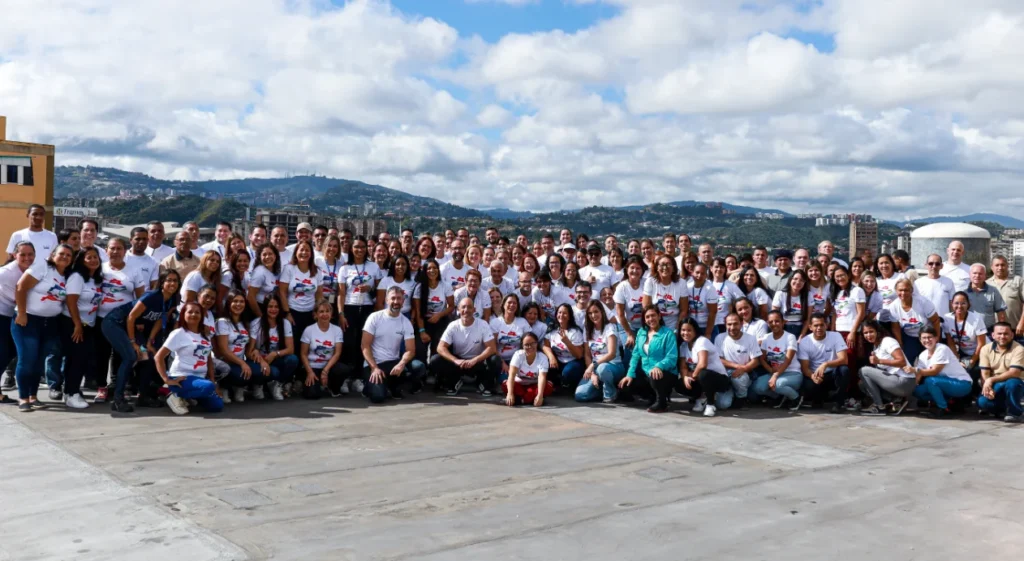
Soma, C.A. daripada Laboratorio Chemycal
Kedudukan: Pengilang berasaskan makmal di Venezuela yang membantu dengan pembangunan formulasi dan pengeluaran untuk produk kosmetik dan penjagaan diri.
Laboratorios Chemycal's Soma disediakan seperti makmal, yang bermaksud ia juga boleh menawarkan perkhidmatan yang hampir dengan perumusan. Daripada pembekal Venezuela yang kami lihat, yang ini mempunyai salah satu profil yang paling mesra pembangunan untuk pembeli yang ingin terlibat dalam penggubalan dan bukannya hanya membeli produk di luar rak.
Pembeli label peribadi yang ingin dapat menyesuaikan produk mereka dan bersedia bekerja dalam had persekitaran pembuatan tempatan mungkin mendapati syarikat itu berguna. Sebelum memulakan apa-apa kerja, anda harus memastikan bahawa skop, fleksibiliti kelompok, dan sokongan dokumentasi semuanya tersedia.
- Rangkaian produk: penjagaan kulit, penjagaan diri, dan sokongan untuk membuat produk
- Terbaik untuk: pembeli label peribadi yang perlu membuat beberapa perubahan pada formulasi
- Fikirkan: sebelum terlibat, anda harus bercakap tentang fleksibiliti kelompok dan skop dokumentasi eksport.
Rujukan Pantas untuk Membandingkan Pengeluar
Jadual di bawah menunjukkan perbandingan berstruktur bagi pengeluar yang dibincangkan dalam panduan ini.
| Syarikat | taip | Kekuatan Utama | Fokus Produk | Terbaik Untuk |
| Induvar S.A. | OEM / Pasaran Massa | Pengeluaran skala, liputan kategori yang luas | Penjagaan kulit, penjagaan diri | Jenama dipacu volum |
| Paling tulen dari Venezuela | keistimewaan / Semulajadi | Kedudukan formulasi semulajadi | Penjagaan kulit, produk kesihatan | Jenama berorientasikan semula jadi |
| Makmal Vargas, C.A. | Farmaseutikal-bersebelahan | Keakraban peraturan | berubat / kecantikan berfungsi | Jenama yang mementingkan pematuhan |
| Kosmetik Avon Venezuela | Pengeluaran dalaman | Penjajaran saluran jualan langsung | Kosmetik warna, penjagaan kulit | Jenama model jualan langsung |
| Saya akan terus mengedarkan | Bahan mentah / Sokongan OEM | Sumber bahan | Bekalan input, barangan separuh siap | Pengeluar, perumus |
| Kosmetik Valmy (Drocosca) | prestij / Jenama tempatan | Mewujudkan warisan jenama tempatan | Kosmetik warna, penjagaan kulit | Jenama pasaran serantau |
| Makmal Soma Chemycal | Kontrak / Makmal OEM | Sokongan pembangunan rumusan | Penjagaan kulit, penjagaan diri | Pembeli label peribadi |
| Kosmetik Xiran (Luar negara) | OEM / ODM / Label Peribadi | Fleksibiliti eksport, skop kategori yang luas | Penjagaan kulit, penjagaan badan, penjagaan rambut | Jenama yang memerlukan sokongan OEM yang lebih luas |
Apabila Jenama Berfikir Tentang Bekerjasama dengan Rakan Kongsi OEM di Negara Lain
Jika jenama berpendapat bahawa pengeluar tempatan di Venezuela tidak mempunyai pilihan yang mencukupi, fleksibiliti, atau pengeluaran yang konsisten, bekerja dengan pengilang OEM atau ODM luar negara adalah pilihan yang baik. Ramai pembeli dalam pasaran ini akan mendapati ini sebagai perkara yang munasabah untuk difikirkan.
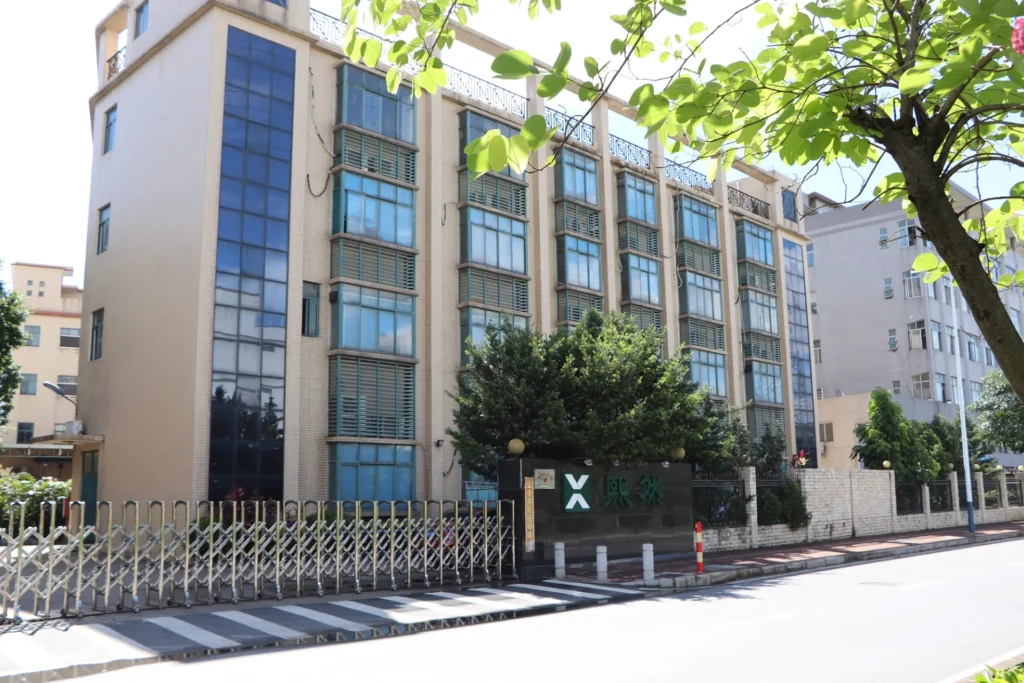
Guangzhou Xiran Cosmetics Co., Ltd. (Kosmetik Xiran) ialah label peribadi dan pengeluar penjagaan kulit OEM/ODM di China yang menjual kepada perniagaan di negara lain. Syarikat boleh membantu dengan membuat formulasi tersuai, menyelaraskan pembungkusan, dan menyediakan dokumen eksport untuk pelbagai jenis produk, seperti penjagaan kulit muka, badan, dan rambut.
Jika sesuatu jenama mementingkan fleksibiliti dalam pembuatan, sokongan untuk rangkaian kategori produk yang lebih luas, dan model pengeluaran yang boleh berkembang dengan eksport, Xiran mungkin pilihan yang baik. Ini benar terutamanya jika projek itu tidak perlu mempunyai a “Dibuat di Venezuela” label.
Jenama yang bergantung pada identiti pembuatan Venezuela tempatan yang kukuh atau pengedarannya berkait rapat dengan pengeluaran domestik mungkin masih mahu bekerjasama dengan rakan kongsi tempatan, walaupun dengan batasan. Kedua-dua cara melakukan sesuatu adalah masuk akal bergantung pada perkara yang benar-benar mengambil berat tentang jenama itu.
Kesesuaian Jenis Jenama: Adakah Venezuela Tempat Terbaik untuk Membuat Perkara?
Jadual di bawah ialah panduan berguna untuk jenama yang memikirkan sama ada pembuatan Venezuela akan berfungsi untuk projek mereka.
| Jenis Jenama | Kesesuaian di Venezuela | Pertimbangan Utama |
| Jenama pasaran tempatan | Sederhana kepada baik | Keakraban pengguna domestik yang kuat |
| Pengedar serantau | Sederhana | Logistik dan konteks rantaian bekalan diperlukan |
| Permulaan penjagaan kulit premium | Terhad | Pertimbangkan OEM luar negara untuk kedalaman keupayaan yang lebih baik |
| Semulajadi / jenama herba | Sederhana | Beberapa perkaitan bahan tempatan wujud |
| Label peribadi volum tinggi | Terhad | Pembuatan luar negara selalunya lebih praktikal |
| Berfungsi / jenama pematuhan | Sederhana | Profil Laboratorios Vargas patut disemak |
Cara Menilai Pembuat Kosmetik di Venezuela
Oleh kerana terdapat lebih sedikit pembekal dan pengeluaran tempatan adalah sukar, pembeli harus mempertimbangkan dengan teliti beberapa bidang utama sebelum bersetuju dengan perkongsian pembuatan.
Dokumentasi pengeluaran: Jangan hanya meminta rujukan sejarah; minta bukti kemampuan pengeluaran semasa juga. Dalam beberapa tahun kebelakangan ini, cara banyak pengeluar Venezuela menjalankan perniagaan telah banyak berubah.
Akses kepada bahan mentah: Ketahui di mana pengilang mendapat ramuannya. Anda tidak boleh sentiasa mendapatkan aktif yang diimport, bahan pengawet, dan bahan-bahan berfungsi, yang mempunyai kesan langsung terhadap kualiti produk dan konsistensi pengeluaran.
Pengetahuan kawal selia: Jika anda ingin menjual produk di Venezuela atau menghantarnya ke pasaran Amerika Latin, pastikan pengilang boleh memenuhi keperluan untuk pelabelan kosmetik dan kertas kerja lain.
Kejelasan skop OEM: Tidak semua pembekal di Venezuela disediakan untuk membuat produk label peribadi untuk syarikat lain. Sebelum memulakan sesuatu projek, pastikan anda tahu tahap penyesuaian, input rumusan, dan fleksibiliti pembungkusan benar-benar tersedia.
Jangkaan masa utama dan kumpulan: Berterus terang tentang saiz kelompok dan garis masa yang mungkin berdasarkan had semasa operasi anda. Di pasaran ini, lebih mudah untuk mengurus risiko apabila anda bermula dengan jangkaan kelompok yang lebih kecil.
Soalan yang sering ditanya
Adakah Venezuela tempat yang baik untuk membuat kosmetik?
Venezuela mempunyai sejarah panjang aktif dalam perniagaan kosmetik, tetapi persekitaran pembuatan semasa adalah lebih terhad berbanding dahulu. Pembeli harus menganggapnya sebagai pasaran yang penting untuk penyetempatan, bukan sebagai hab eksport OEM yang besar. Ia berfungsi lebih baik untuk jenama yang ingin memfokuskan pada pasaran tempatan tertentu daripada untuk jenama yang ingin membuat perkara yang boleh dijual di seluruh dunia.
Apakah jenis jenama yang terbaik untuk pembuat kosmetik Venezuela?
Jenama yang ingin menjual kepada pelanggan serantau Venezuela atau berdekatan, jenama yang sudah bekerja dengan pengedar tempatan, atau jenama yang perlu masuk ke pasaran dengan membuat sesuatu secara tempatan adalah yang paling sesuai. Jenama yang memberi tumpuan kepada formulasi baharu, fleksibiliti secara besar-besaran, atau dokumentasi eksport yang kukuh biasanya lebih mudah untuk membuat perkara di luar negara.
Bolehkah syarikat di Venezuela membuat produk label peribadi?
Ada yang boleh, tetapi tidak semua model perkhidmatan label peribadi adalah sama di seluruh pasaran. Soma dari Laboratorios Chemycal ialah salah satu pilihan yang lebih tertumpu kepada makmal untuk kerja label peribadi yang hampir dengan perumusan. Tahap penyesuaian, sokongan pembungkusan, dan dokumentasi yang ditawarkan oleh setiap pembekal adalah sangat berbeza, jadi anda harus menyemak dengan setiap satu secara individu.
Apabila bekerja dengan pengeluar Venezuela, apakah pensijilan yang perlu saya cari?
Sekurang-kurangnya, pembeli harus menyemak bahawa produk kosmetik memenuhi keperluan pendaftaran yang ditetapkan oleh pihak berkuasa kesihatan Venezuela (INHRR). Bagi projek yang dimaksudkan untuk dieksport, adalah penting untuk mengetahui sama ada pengilang boleh menyediakan dokumentasi yang memenuhi ISO 22716 standard GMP kosmetik. Ini adalah petanda yang baik tentang betapa matangnya proses pembuatan.
Bagaimanakah pembuatan Venezuela berbanding dengan negara Amerika Latin yang lain?
Brazil dan Mexico mempunyai ekosistem pembuatan kosmetik yang lebih besar dan lebih maju. Mereka juga mempunyai akses yang lebih baik kepada bahan mentah, infrastruktur OEM/label peribadi yang lebih kukuh, dan struktur pembekal yang memberi tumpuan kepada eksport. Pangkalan pembuatan Venezuela kebanyakannya berguna untuk strategi yang berfungsi di pasaran tempatan, bukan untuk peranan rantaian bekalan di seluruh Amerika Latin. Brazil atau Mexico, atau rakan kongsi di negara lain, cenderung menawarkan pilihan praktikal yang lebih baik untuk jenama yang ingin menjangkau wilayah yang lebih luas.
Bilakah lebih baik untuk bekerja dengan rakan kongsi OEM dari negara lain daripada syarikat Venezuela?
Pengilang luar negara biasanya menawarkan sokongan yang lebih baik apabila keutamaan utama jenama adalah pembangunan formulasi tersuai, pengeluaran berskala, pelbagai kategori produk, atau dokumentasi eksport yang boleh dipercayai. Jenama yang mahukan model pembuatan yang lebih tersusun dan fleksibel tanpa bergantung pada identiti pengeluaran tempatan sering melihat rakan kongsi OEM di China, seperti Xiran Cosmetics.
Apakah jenis produk yang dihasilkan oleh pengeluar Venezuela yang terbaik?
Daripada profil pembekal yang kami lihat, nampaknya penjagaan kulit setiap hari, penjagaan diri, penjagaan badan, dan kosmetik warna asas adalah bidang kepakaran tempatan yang paling kukuh. Pangkalan pembuatan tempatan semasa tidak menyokong kategori khusus seperti serum bahan aktif, dermocosmetics, dan juga formulasi anti-penuaan mewah. Pembeli dalam kategori ini harus mempertimbangkan dengan teliti sama ada pengeluaran tempatan boleh memenuhi keperluan formulasi mereka.
Fikiran Akhir
Industri pembuatan kosmetik di Venezuela adalah nyata, tetapi ia tidak sebesar pasaran global atau serantau yang lain. Orang yang mencari pengeluar kosmetik di Venezuela akan menemui sekumpulan pembekal yang pernah bekerja di negara itu sebelum ini, sesetengah daripada mereka mempunyai sejarah panjang dalam industri kecantikan dan penjagaan diri tempatan. Namun begitu, mereka harus sedar tentang batasan pasaran pada masa ini.
Jenama pasaran tempatan, projek penjagaan diri yang tertumpu kepada pasaran domestik, dan pembeli yang sudah mempunyai hubungan di rantau ini yang memudahkan untuk mendapatkan barangan dari Venezuela ialah kegunaan terbaik untuk pembuatan Venezuela.
Untuk jenama yang memerlukan lebih banyak keupayaan OEM, formulasi yang lebih mendalam, atau sokongan label peribadi yang boleh berkembang bersama mereka, bekerja dengan rakan kongsi pembuatan di negara lain selalunya merupakan pilihan terbaik. Pembeli lebih cenderung untuk membuat keputusan penyumberan yang sesuai dengan produk sebenar mereka dan keutamaan pasaran jika mereka melihat kedua-dua pilihan dengan keperluan projek yang jelas dan bukannya hanya menggunakan satu strategi.
Pembeli boleh membuat keputusan yang lebih baik apabila mereka mengetahui lebih lanjut tentang industri produk penjagaan diri dan cara penyumberan berfungsi di wilayah yang berbeza, sebagai tambahan kepada maklumat khusus pembekal dalam panduan ini.