Vai al contenuto


Il mercato globale OEM/ODM dei cosmetici è in rapida crescita. Dati recenti mostra che il mercato valeva 56,77 miliardi 2023 e potrebbe raggiungere 80.99 miliardi di 2031, crescendo di 5.5% annuale. Questa crescita significa che scegliere il giusto produttore di cosmetici è molto importante per i marchi che vogliono avere successo nel settore della bellezza.
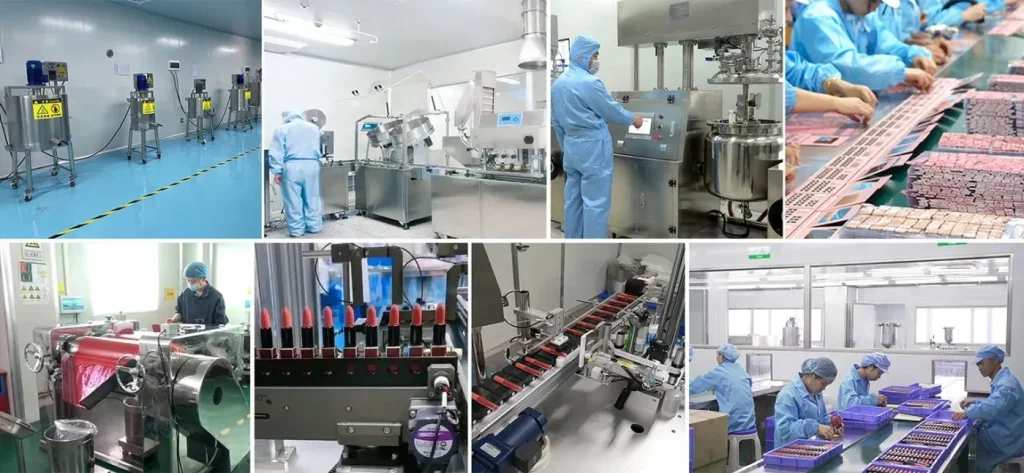
Comprendere l'OEM nel settore dei cosmetici
OEM (Produttore di apparecchiature originali) nei cosmetici si riferisce ai marchi che assumono fabbriche mirate per produrre prodotti basati sui loro design. Il marchio fornisce la formula, confezione, e marchio, mentre la fabbrica è responsabile della produzione. Ciò consente al marchio di concentrarsi sulla vendita dei prodotti anziché sulla loro produzione.
È importante comprendere la differenza tra OEM e ODM. Le fabbriche ODM progettano e realizzano prodotti, mentre le fabbriche OEM producono solo prodotti basati sul design del marchio. Molti nuovi marchi utilizzano i servizi OEM perché non hanno bisogno di costruire le proprie fabbriche.
Solo nel Nord America, soprattutto gli Stati Uniti, è stato valutato il mercato OEM/ODM $9.2 miliardi di dollari 2020 e si prevede che cresca ad un tasso di crescita annuo composto di 4% di 2030.
Determina i tuoi requisiti
Prima di cercare un produttore, sii chiaro riguardo alle tue esigenze. Ciò ti aiuterà a restringere le opzioni e a trovare la corrispondenza migliore.
- Tipo di prodotto: Determina quale prodotto ti serve: dal trucco al fondotinta, rossetto, e ombretto per la cura della pelle come detergenti, idratanti, e sieri.
Diversi produttori di cosmetici OEM sono spesso specializzati nella produzione di determinati tipi di prodotti.
- Mercato di riferimento: Se vuoi produrre prodotti di lusso con formule di alta qualità, ingredienti di prima qualità, e packaging sofisticato, cerca alcune fabbriche di cosmetici che utilizzano materie prime di prima qualità.
Per prodotti del mercato di massa, scegliere fabbriche che producono grandi quantità a un costo inferiore. I paesi hanno mercati diversi con requisiti normativi diversi, quindi assicurati che il tuo produttore target abbia esperienza di produzione nella tua regione target.
- Scala di produzione: Controlla quante unità devi ordinare. Alcune fabbriche richiedono quantità di ordine minime elevate, che potrebbe non funzionare per startup e nuovi marchi.
Tuttavia, Cosmetici Xiran offre opzioni flessibili per i marchi emergenti, permettendoti di iniziare con importi inferiori. Questa flessibilità ti consentirà di testare il mercato e di ridimensionare gradualmente la produzione man mano che il tuo marchio cresce.
Scegliendo un produttore di cosmetici OEM come Xiran Cosmetics, you can ensure that you get the support you need to successfully launch your product without the pressure of a large upfront commitment.
Conducting Market Research
Finding the right makeup manufacturer can help companies reduce costs, increase sales profits, and ensure a stable supply of products. Here are nine supplier search channels summarized from practical experience. You can choose according to the company’s actual situation.
Industry Trade Fairs
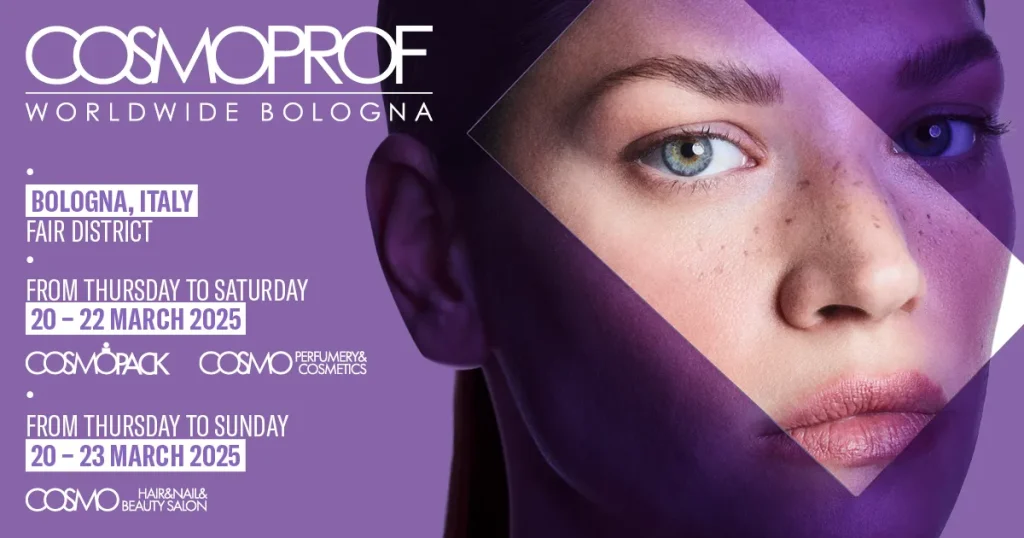
Participate in events such as Cosmoprof Worldwide (held in Bologna, Hong Kong, and Las Vegas), in-cosmetics Global, and Paris/New York MakeUp. These events allow you to communicate face-to-face with factories and understand their work.
Internet Online Platforms
Whether search engines, various professional B2B websites, online trade fairs, or even various new media currently exist, they can be used for supplier development.
Industry Groups
Contact organizations such as the Personal Care Products Council to obtain a list of trustworthy factories.
Competitor Suppliers
Keep an eye on industry competitors and analyze material brand supplier resources from competitor products. It is also a standard method at present. It mainly targets strong competitors with high market share in various industries. Companies can cooperate with suppliers based on their actual conditions to improve their competitiveness.
Procurement By Bidding
Procurement publicly releases procurement needs to the public through bidding platforms or other public channels through bidding announcements, attracts potential suppliers to participate, and selects suitable suppliers through legal bidding procedures.
This supplier development channel is generally used by listed companies, state-owned enterprises, large-scale enterprises, and government procurement.
Corporate Website and Platform Promotion
Through market promotion, enterprises publish their own procurement needs on the corporate website and authorize relevant parties to enter the procurement platform docking interface to provide relevant corporate qualifications. This attracts potential suppliers to quote, which is also a commonly used search channel.
Manufacturer Introduction
As procurement staff, there must be a large number of sales staff who actively call or visit every day to recommend suppliers so that you can understand their preliminary information and keep relevant records. This is also one of the most commonly used channels for procurement to develop suppliers, and perhaps a high-quality supplier is right in front of you.
Domestic and Foreign Industry Associations
As market competition becomes increasingly fierce, many industries will set up industry associations to integrate resources and work together. The industry associations have many lists of similar companies and the operating conditions of related companies. This is also a channel for companies to choose high-quality suppliers with the help of associations.
Professional Third-Party Organizations
Suppliers and demanders focus on their competitive advantages in third-party procurement or third-party information platforms. There are already many professional procurement teams or data information-sharing parties with many supplier resources for companies.
Even for some personalized procurement needs of enterprises, third-party organizations can also make appropriate recommendations. This is also a more commonly used development method.
Evaluating Potential OEM Makeup Manufacturer
Once you’ve identified a list of potential Produttori di cosmetici colorati through market research, check for the following:
Certificazioni
ISO 22716 (Good Manufacturing Practice for Cosmetics), ISO 9001 (Gestione della qualità), and possibly ISO 14001 (Environmental Management).
For specific markets, look for manufacturers that comply with regional regulations. Per esempio, if selling in the United States, look for ISO 22716 (Safety of Cosmetics) or FDA approval.
Recensioni dei clienti
Ask for references and check online reviews. Per esempio, ask in online industry forums, LinkedIn groups, and business review platforms.
Factory Tours
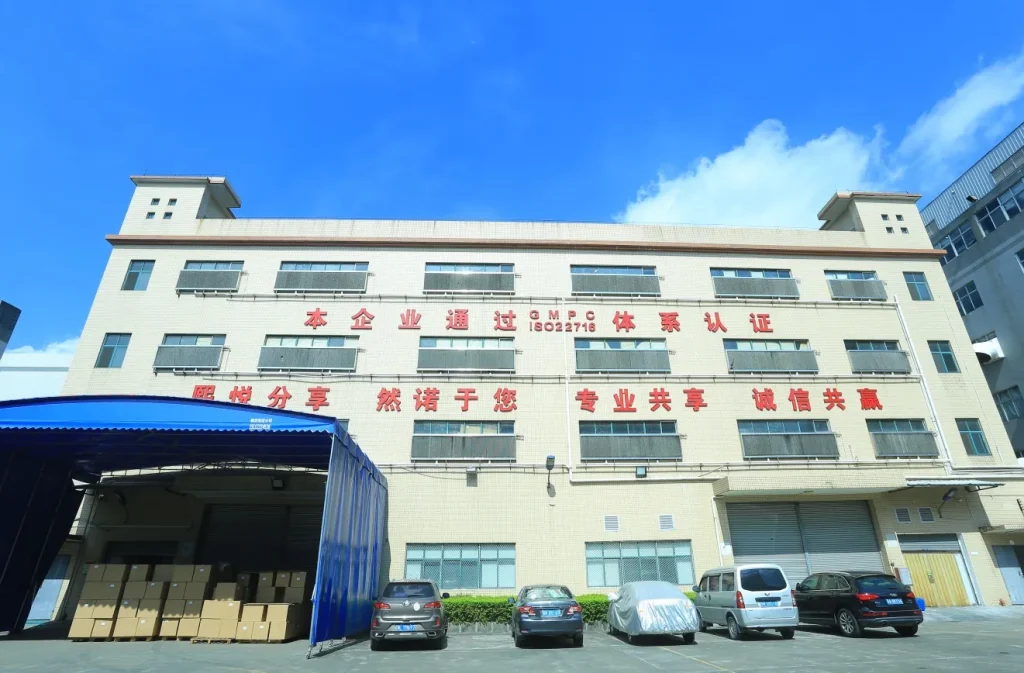
Visit the factory in person for the most comprehensive assessment of the manufacturer’s capabilities. Check for things like modern equipment, clean facilities, and employee expertise.
Communicate and Ask Questions
When contacting a factory, ask clarifying questions:
Quantità minima di ordine
Ask about their minimum order quantity (MOQ), ranging from a few hundred to a few thousand units.
Production Time:
How long does it take to produce the product, from development to finished product delivery?
Formulation Capabilities
Ask if they have a standard formula you can customize or if they develop completely custom formulas.
Cost Breakdown
Details on material, labor, and packaging costs.
During this discussion, you will want to assess their knowledge of cosmetic formulations, familiarity with ingredient interactions, current industry trends, and understanding of regulatory requirements. Per esempio, formulating for sensitive skin or developing long-lasting cosmetics.
Test Samples
Always test samples before signing a contract:
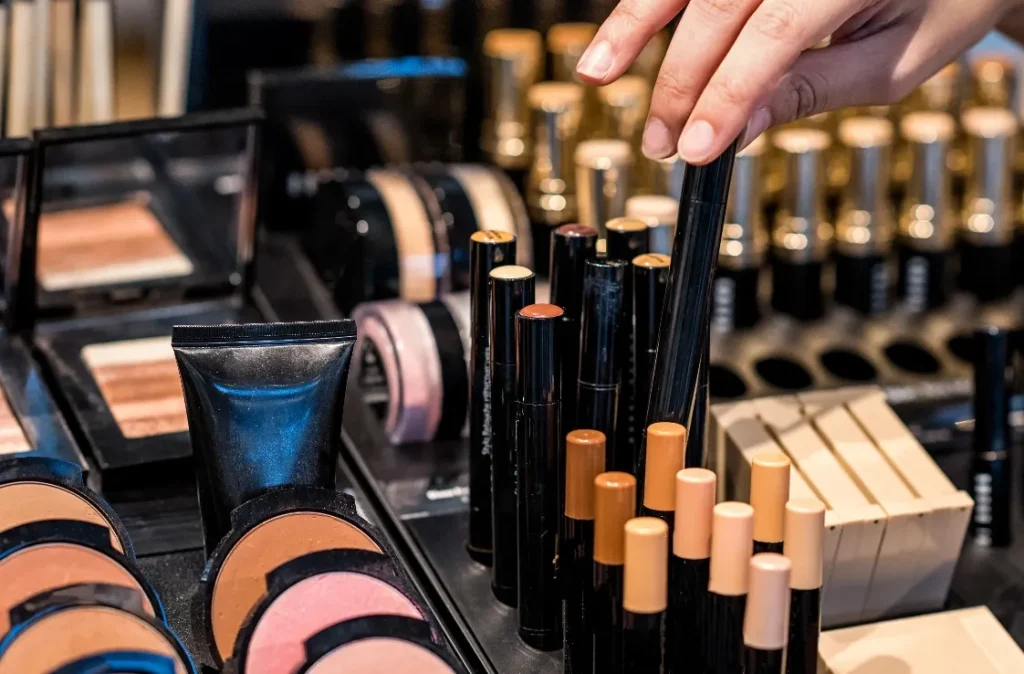
Richiedi campioni
Request samples of existing or custom products. Some manufacturers may charge a fee for custom sample development, especially for complex formulas or when using unique ingredients. When making your request, provide precise, detailed specifications on formulation attributes, performance expectations, sensory qualities, e requisiti di imballaggio.
Check Quality
Test color, struttura, e prestazioni. Per esempio, for the longevity of a color cosmetic lipstick, evaluate physical characteristics such as color, struttura, profumo, and appearance. Remember that initial samples often require refinement, so be prepared for an iterative process of feedback and adjustments.
Get Feedback
Distribute samples to trusted industry colleagues, beauty influencers, or potential customers to see if they like the product. Systematically record all feedback, noting both positive attributes and areas for improvement.
Sign a Contract
Make sure the contract covers the following:
- Standard di qualità: Define precisely how the product will look and perform.
- Payment Terms: Agree on a deposit amount and payment terms.
- Riservatezza: Make sure the factory can’t share your designs with others.
Build a Long-Term Relationship
A good partnership helps your brand grow:
- Regular Communication: Schedule monthly meetings to discuss orders and issues.
- Visita alla fabbrica: Visit occasionally to stay engaged.
- Provide Feedback: Tell the factory what’s working and what needs improvement.
Industry Trends
Keep these trends in mind when choosing a factory:
- Personalizzazione: Many customers want personalized products. Look for factories that can produce small batches of products with unique features.
- Sostenibilità: Look for factories that use environmentally friendly materials and reduce waste.
- Technology: Factories with advanced equipment can produce products faster and more consistently.
Conclusione
Finding the right OEM Makeup Manufacturer takes time but is worth the effort. Focus on clear communication, quality checks, and building trust. Following the steps below, you can partner with a factory to help your brand succeed in the competitive beauty market.