Pular para o conteúdo


A Costa do Marfim tornou-se um importante centro de produção de produtos de beleza e cuidados pessoais na África Ocidental. Os proprietários de marcas e distribuidores precisam ir além das simples listas para ter uma ideia melhor dos fabricantes de cosméticos na Costa do Marfim. Eles precisam analisar coisas como o tamanho da sua produção e a sua experiência em exportar para outros países..
A indústria local está muito focada em fabricar muitos produtos de higiene pessoal, desde sabonetes normais até fórmulas especiais para iluminar a pele. Mesmo que o mercado seja mais desenvolvido do que aqueles ao seu redor, sourcing aqui significa lidar com certas questões logísticas e regulatórias que são exclusivas do Zona UEMOA.
A Indústria de Fabricação de Cosméticos do Estado da Costa do Marfim
Abidjan e as áreas circundantes têm um setor industrial mais avançado do que muitos outros países da África Ocidental. No passado, a indústria cresceu em torno do processamento de matérias-primas locais, especialmente óleo de palma, o que levou à construção de enormes fábricas de sabão e detergentes.
Hoje, a paisagem transformou-se numa complexa rede de fábricas de produção de cosméticos que servem tanto o mercado local como a região mais ampla da CEDEAO. Essas fábricas costumam trabalhar em grande escala, concentrando-se em levar seus produtos ao maior número de pessoas possível, em vez de fabricar pequenos lotes de produtos de alta qualidade.

Como são as capacidades de produção local
A capacidade de fabricar muitos produtos básicos de beleza é o que diferencia a produção da Costa do Marfim. A infra-estrutura técnica está principalmente configurada para, formulações comercialmente bem sucedidas, não para cuidados com a pele biotecnológicos experimentais ou de ponta.
Algumas das habilidades mais importantes são:
- Produção em massa de cuidados pessoais: Linhas de enchimento rápido para sabonetes, cremes, e loções.
- Familiaridade com exportação regional: Saber quais documentos e requisitos de envio são necessários em toda a África Ocidental.
- Integração de ingredientes locais: Aproveitar bem óleos regionais e extratos vegetais em fórmulas base.
Melhor fabricante de cosméticos na Costa do Marfim
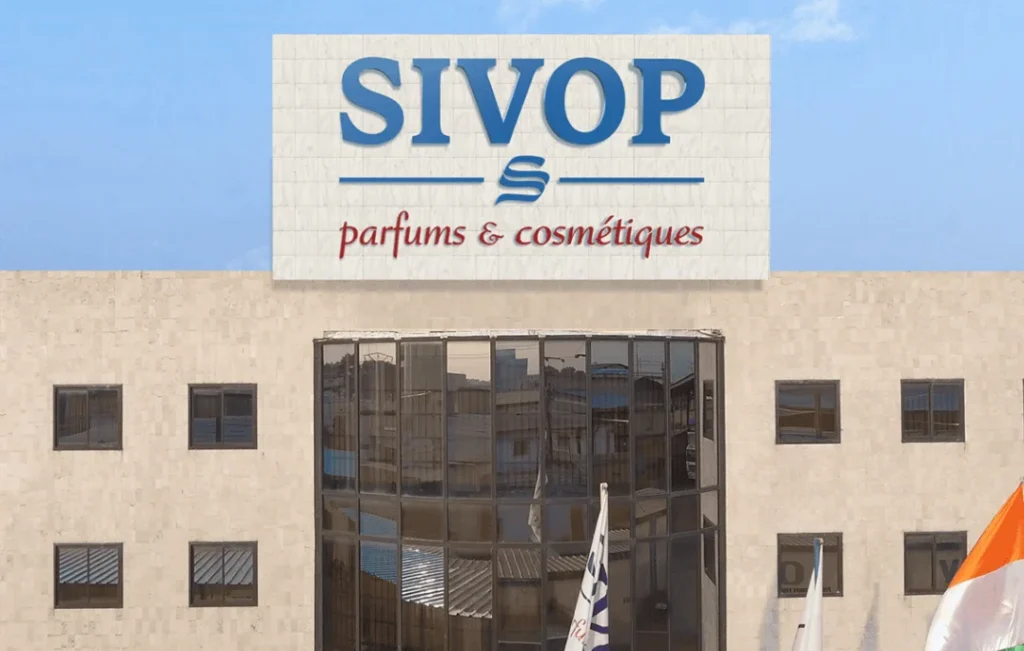
SIVOP (Sociedade de Perfumaria da Costa do Marfim)
Posicionamento: Um fabricante líder em escala industrial que fabrica uma ampla gama de produtos de cuidados pessoais e fragrâncias para o mercado de massa africano.
Sobre a empresa A SIVOP é uma das empresas mais conhecidas na área, e tem sede em Abidjan. Eles trabalham com muita indústria pesada, executando grandes ciclos de produção que suportam uma ampla gama de marcas em diferentes categorias de beleza.
Principais habilidades Sua força vem de ser capaz de fazer coisas em grande escala e saber muito sobre o que as pessoas da região desejam. SIVOP lida com uma ampla gama de tipos de produtos, de perfumes complicados a cuidados diários com a pele, garantindo que grandes distribuidores possam sempre obter o mesmo lote.
Mais adequado para Distribuidores de grande porte e marcas conhecidas que precisam de muita produção e um parceiro com uma longa data “rede logística regional.”
Nova Perfumaria Gandour
Posicionamento: Um grande player na região que fabrica produtos para os cabelos e proteção da pele e os exporta para diversos lugares.
Visão Geral da Empresa A Nouvelle Parfumerie Gandour administra enormes fábricas feitas para fazer muitas coisas rapidamente. São uma importante fonte de produtos para o cabelo e para a pele, vendidos em todo o continente e em algumas partes da Europa..
Principais habilidades A fábrica é ótima em desenvolvimento multicategoria, especialmente quando se trata de relaxantes de cabelo, pomadas, e produtos para cuidados com a pele. Eles têm fluxos de trabalho de fabricação estruturados que lhes permite ficar de olho na qualidade de milhões de unidades todos os anos.
Mais adequado para Marcas que desejam alcançar o “Africano tradicional” mercado e precisam de um parceiro que possa ajudá-los com produção em alto volume e conformidade na região.

ÁRVORES (Cosméticos e Perfumes da Costa do Marfim)
Posicionamento: Um fabricante que fabrica sabonetes e outros itens importantes de higiene pessoal para OEMs.
Visão Geral da Empresa A COPACI é uma grande parte da cadeia de abastecimento na África Ocidental. Seu modelo de negócios se baseia na eficiência e na capacidade de vender produtos básicos de beleza para uma ampla variedade de canais de varejo..
Principais habilidades Eles são muito bons em processos de saponificação de sabão e enchimento de líquidos. Suas instalações estão configuradas para “maturidade operacional,” o que os torna uma boa escolha para marcas de cuidados pessoais que desejam manter seus preços competitivos.
Mais adequado para Atacadistas e compradores de marca própria que desejam vender sabonetes e produtos de higiene para o mercado de massa e estão mais preocupados em manter os custos baixos.

EL Paradis Cosméticos (EPC)
Posicionamento: Uma empresa de cuidados com a pele que se concentra nas tendências modernas de formulação e na fabricação de produtos exclusivos para cada marca.
Visão Geral da Empresa EPC quer ser uma opção mais flexível que os grandes grupos industriais. Eles se concentram em oferecer às marcas que desejam se destacar no espaço de cuidados com a pele soluções mais personalizadas.
Principais habilidades A empresa oferece apoio ao desenvolvimento de formulações, que permite personalizar coisas de maneiras que nem sempre são possíveis em fábricas maiores. Eles se concentram em fabricação específica da categoria em cuidados com a pele, com foco em loções e tratamentos especializados.
Mais adequado para Novas marcas ou empresas de beleza que já estão estabelecidas e precisam de um “parceiro de fabricação flexível” quem sabe sobre as últimas tendências de cuidados com a pele.

Visão Cosméticos Internacional (VCI)
Posicionamento: Um fabricante de pequeno e médio porte que fabrica produtos para a pele e produtos de beleza profissionais de alta qualidade.
Visão Geral da Empresa VCI quer fazer negócios com pessoas de nível médio e alto do mercado local. Eles se destacam no ecossistema manufatureiro da Costa do Marfim porque se concentram em padrões de qualidade e marcas modernas.
Principais habilidades Eles são bons em formulação de precisão e dando muita ênfase estabilidade do ingrediente ativo. A VCI é diferente das grandes empresas de sabonetes porque se concentra nos detalhes técnicos de produtos modernos para a pele e produtos de salão profissionais..
Melhor para Marcas que focam em produtos de alta qualidade ou salões que precisam desenvolvimento de produtos especializados e menor, ciclos de produção mais controlados.

Maquiagem dos sonhos
Posicionamento: Um fabricante de cuidados pessoais que pode fabricar rapidamente uma ampla gama de produtos para acompanhar as tendências regionais de varejo.
Visão Geral da Empresa A Dream Cosmetics é conhecida por ser flexível no mercado da Costa do Marfim. Eles lidam com uma ampla variedade de SKUs, desde cuidados com o bebê até cuidados com a pele de adultos, com foco em embalagens modernas e em tornar os produtos atraentes para os clientes.
Principais habilidades Eles são muito bons em coordenar vários SKUs e manter um fluxo de trabalho de produção estruturado em diferentes categorias. Seu edifício é feito para se adaptar rapidamente às novas necessidades do mercado local.
Mais adequado para Cadeias de varejo e lojas on-line que precisam de um ampla gama de produtos de um parceiro de fabricação.

Alternativa Global: Fechado (Guangzhou Xiran Cosméticos Co., Ltda)
Posicionamento: Um dos principais parceiros OEM/ODM globais com foco em cuidados da pele de alta qualidade, personalização de marca própria, e seguindo regras internacionais.
Sobre a empresa As fábricas locais da Costa do Marfim são excelentes na produção de produtos básicos para o mercado de massa, mas Xiran oferece às marcas uma alternativa para desenvolvimento de formulação premium e tecnologia de embalagem de ponta. Xiran ajuda marcas na Costa do Marfim que precisam de pesquisa e desenvolvimento mais avançados. A empresa está sediada em um centro de produção global.
Xiran é um OEM de serviço completo que se concentra na fabricação com certificação ISO 22716 e nos padrões Cosméticos GMP. Eles têm muitas opções para formulação personalizada para cuidados com a pele, desde soros orgânicos até tratamentos antienvelhecimento de alta tecnologia que podem ser difíceis de fazer na sua região.
Mais adequado para Startups e marcas sofisticadas na Costa do Marfim que precisam flexibilidade de baixo MOQ, fácil acesso a ingredientes avançados, e documentação pronta para exportação para outros países.

Comparação de fabricantes: Uma empresa de guia rápido
| Empresa | Força principal | Melhor para | Tipo de produção |
| SIVOP | Distribuição Regional | Mercado de massa | Grande escala |
| NP Gandour | Cabelo & Grampos para a pele | Marcas convencionais | Industrial |
| EPC | Flexibilidade de Formulação | Startups de cuidados com a pele | Escala Média |
| Visão Cosméticos | Qualidade Profissional | Salão & Prêmio | Boutique/Médio |
| Fechado | R&D & Personalização | Marcas globais/premium | OEM flexível |
Prós e contras de fazer coisas na Costa do Marfim
As coisas boas
Para pessoas que desejam fazer negócios na África Ocidental, fazer as coisas localmente tem grande “vantagens logísticas.” As marcas podem evitar os altos impostos de importação que acompanham a entrada de produtos acabados no mercado. Bloco comercial da CEDEAO. Também, estar perto do mercado torna mais fácil conversar com as pessoas e responder mais rapidamente ao feedback dos clientes locais.
As compensações
Mas há problemas com integridade da cadeia de suprimentos. Ainda há muitas peças especializadas que precisam ser importadas, como bombas airless de última geração ou certos ingredientes ativos. Isso pode fazer com que o processo demore mais. Também, as quantidades mínimas de pedido (Quantidade mínima) nas maiores fábricas da região pode ser muito alto para novas empresas lidarem.

Por que muitas marcas optam por fabricar produtos em outros países
Por certas razões estratégicas, muitas marcas da Costa do Marfim e da África Ocidental acabam por procurar parceiros noutros países, como Xiran. O principal motivo geralmente é o produto “posicionamento técnico.” Fábricas locais são construídas para produzir “volume acima da variedade,” enquanto os parceiros OEM no exterior são criados para fazer “inovação em vez de volume.”
Os parceiros internacionais geralmente oferecem:
- Acesso a novos ingredientes: Obtenha acesso antecipado ao global tendências de ingredientes para cuidados com a pele.
- Embalagem Avançada: Encontrando alta qualidade, embalagens ecológicas ainda não são comuns na produção regional.
- MOQs mais baixos para testes: A capacidade de iniciar um lote piloto de 500 unidades, o que muitas vezes não é possível em grandes fábricas locais.
Como escolher um fabricante de cosméticos na Costa do Marfim
Você precisa olhar mais do que apenas o catálogo de produtos de um parceiro ao julgá-lo. Verifique seus familiaridade com conformidade tanto com locais Regulamentos L'AIRP e padrões internacionais de segurança.
Peça-lhes uma lista completa das etapas que realizam para validar seu processo de fabricação. Se você deseja exportar para a Área de Livre Comércio Continental Africana (AfCFTA), seu parceiro deve ser capaz de demonstrar que realiza testes de lote regularmente e fornecer dados de estabilidade para suas formulações.

Perguntas frequentes
A Costa do Marfim é um bom lugar para fabricar cosméticos de marca própria??
Sim, especialmente para sabonetes e produtos de higiene pessoal destinados ao mercado da África Ocidental. Oferece excelente acesso isento de impostos a países próximos.
Quais são as quantidades mínimas habituais de encomenda (Quantidade mínima) para fabricantes da Costa do Marfim?
Para grandes empresas industriais, as quantidades mínimas de pedido (Quantidade mínima) geralmente estão entre 5,000 e 10,000 unidades por SKU. Os fabricantes menores podem ser mais flexíveis, mas nem sempre é assim.
Os fabricantes locais podem lidar com documentação de exportação internacional?
A maioria dos grandes fabricantes está muito familiarizada com Documentação da UEMOA e da CEDEAO, mas certificações globais como ISO podem ser diferentes de fábrica para fábrica.
Essas fábricas são boas para cuidados com a pele orgânicos de alta qualidade??
Existem alguns pequenos fabricantes, mas o mercado orgânico de alta qualidade ainda está crescendo. As marcas frequentemente trabalham com parceiros de outros países durante a fase de pesquisa e desenvolvimento de produtos orgânicos.
SIVOP ou Gandour oferecem serviços de marca própria?
Eles se concentram principalmente em suas próprias marcas, mas eles contratam a fabricação para grandes parceiros ou distribuidores regionais com muitos pedidos.
Quanto tempo normalmente leva para fazer algo?
Fazer as coisas localmente geralmente leva 4 para 8 semanas, mas isso depende muito se suas matérias-primas e embalagens já estão em estoque ou precisam ser trazidas.
Resumindo
As marcas que pretendem crescer na África Ocidental e manter os custos baixos devem adquirir os seus cosméticos junto de fabricantes de cosméticos na Costa do Marfim. As grandes empresas que ganham muito dinheiro, como SIVOP e Gandour, controlar o mercado de volume. Mas as empresas mais pequenas e as alternativas globais como Fechado oferecer o suporte especializado que as marcas que focam em inovação e cuidados com a pele de alta qualidade precisam. Você só pode escolher o parceiro certo se a sua estratégia de marca for baseada no volume regional ou na diferenciação global do produto.